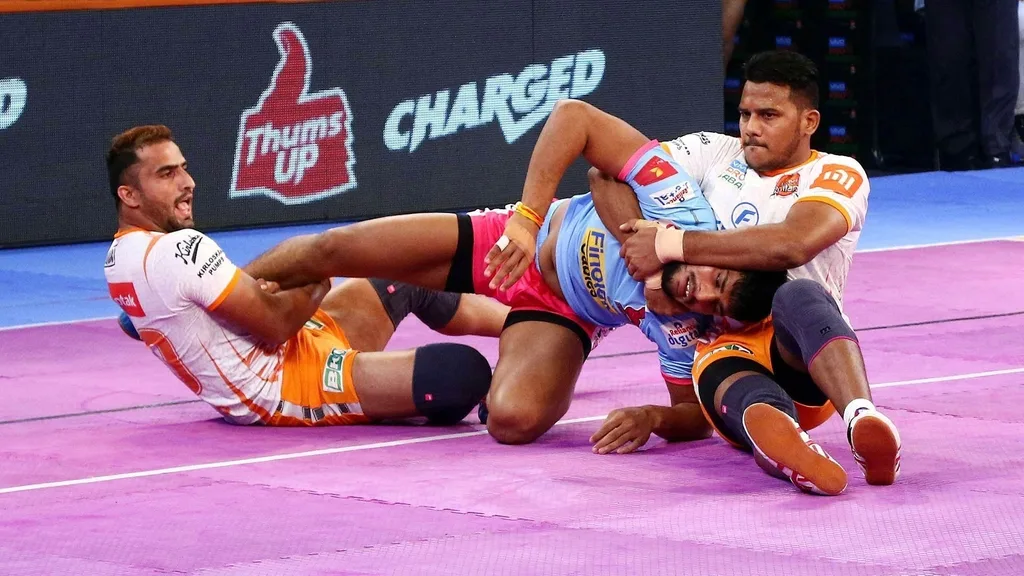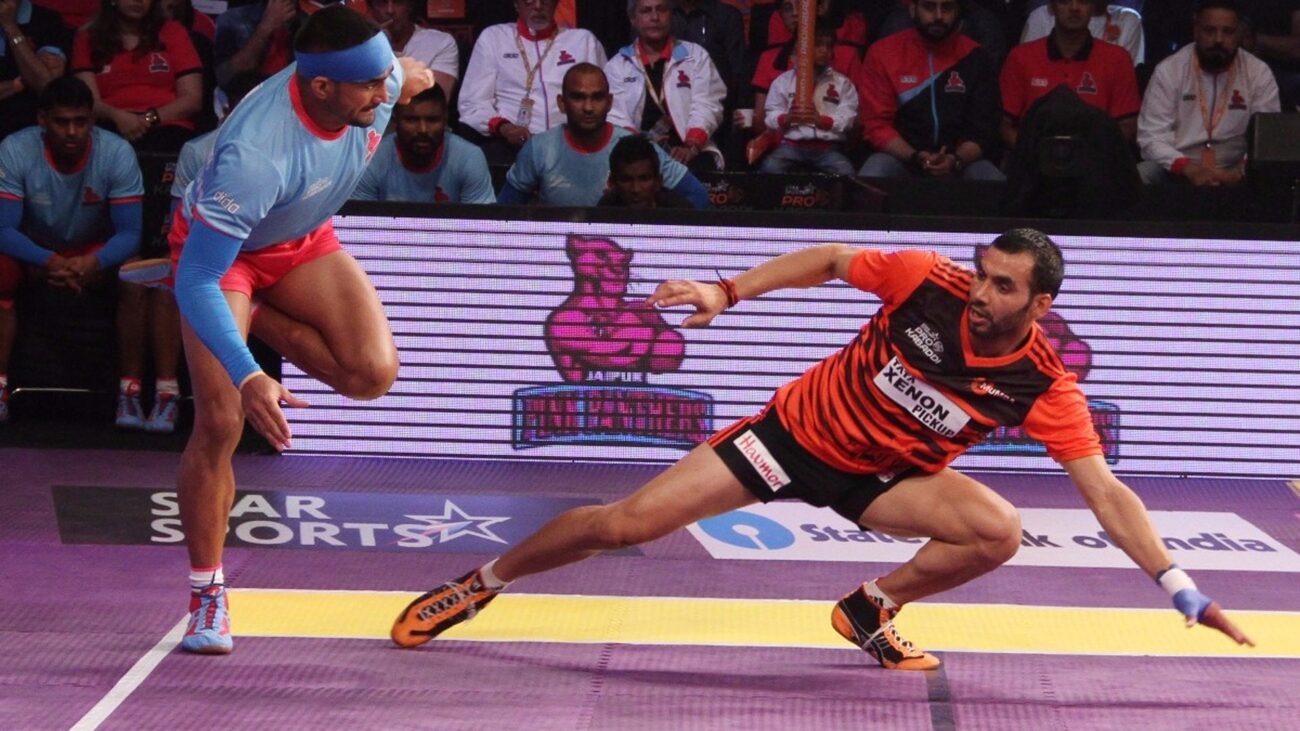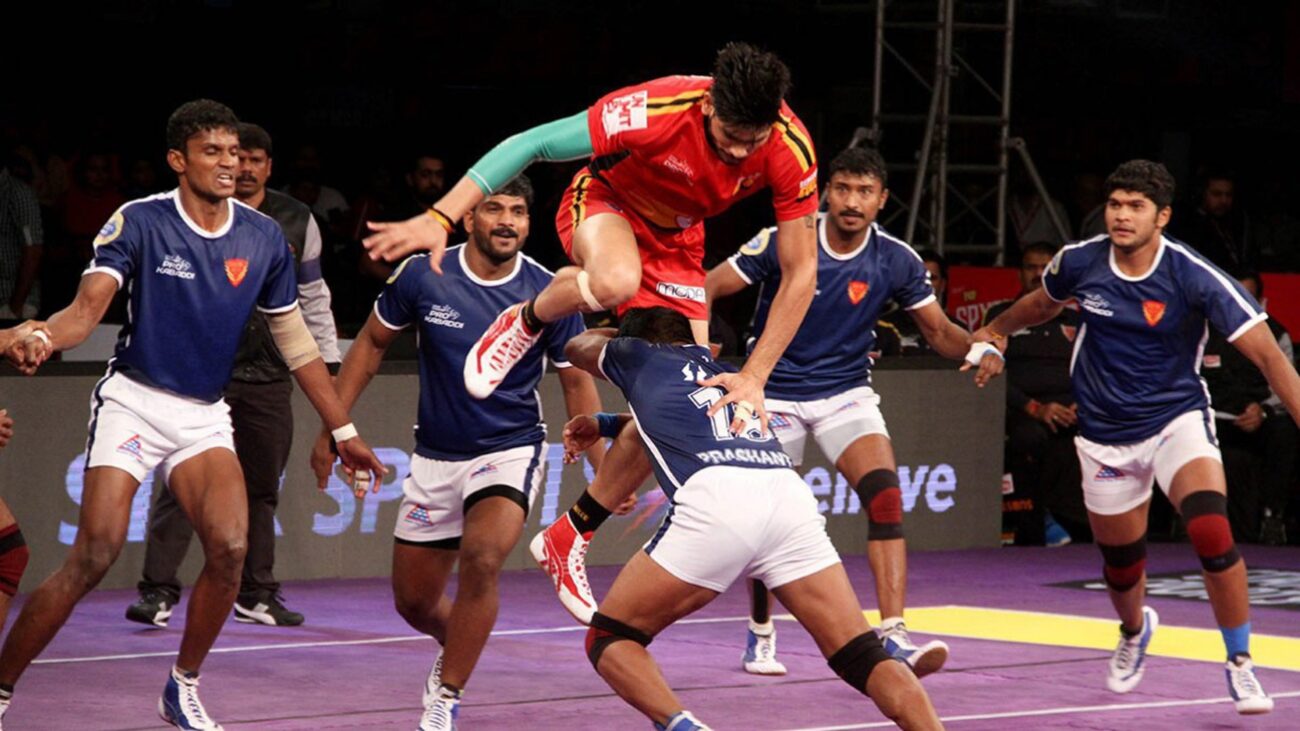
Few moments in Kabaddi create as much tension as the do-or-die raid.
The situation is simple but dramatic: a raider must score because a failed attempt will result in the opposing team gaining an advantage. There is no safety net, no easy reset, and no room for hesitation.
For spectators, it is one of the most exciting moments in the sport.
For players, it is a test of skill, confidence, decision-making, and mental control.
A successful do-or-die raid can completely change the momentum of a match.
A failed attempt can put a team under serious pressure.
Behind every great do-or-die raid is a carefully calculated balance between risk and reward.
What Is a Do-or-Die Raid?

In Kabaddi, a do-or-die raid occurs when a team’s raider must score after consecutive empty raids.
If the raider fails to score during this crucial attempt, the opposition earns the advantage.
This creates a unique situation where the raider cannot simply play conservatively.
They must find a way to create a scoring opportunity while avoiding a defensive trap.
The pressure comes from knowing that everyone understands the importance of the moment.
The defenders expect an attack.
The crowd expects action.
The raider must still make the correct decision.
Why Do-or-Die Raids Are Different
A normal raid allows more flexibility.
A raider can:
- Test the defence
- Wait for an opening
- Return without scoring
- Gather information for future attempts
A do-or-die raid changes everything.
The raider must balance:
- Urgency
- Patience
- Aggression
- Control
Too much caution leads to failure.
Too much aggression creates opportunities for defenders.
The perfect approach requires intelligence.
The Mental Challenge of the Do-or-Die Moment
The biggest battle often happens inside the raider’s mind.
Pressure can affect decision-making.
A nervous raider may:
- Attack too quickly
- Ignore defensive positioning
- Attempt unnecessary movements
- Lose control of the situation
Elite players approach these moments differently.
They recognise the pressure but do not allow it to control their actions.
Staying Focused on the Process
Great raiders focus on execution rather than consequences.
Instead of thinking:
“If I fail, my team loses the point.”
They focus on:
“Where is the opportunity?”
This mindset helps maintain clarity.
Reading the Defence Before the Raid
Preparation begins before the raider crosses the line.
Elite players quickly analyse:
- Defender positions
- Previous defensive patterns
- Available gaps
- Individual weaknesses
Every defender provides information.
A player’s stance, movement, and positioning can reveal possible opportunities.
Identifying the Weak Point
Strong defensive teams rarely leave obvious gaps.
The raider must often create an opportunity rather than simply find one.
This may involve:
- Fake movements
- Changes of direction
- Testing defender reactions
The goal is to force a mistake.
The Importance of Timing

In a do-or-die raid, timing becomes even more important.
A raider cannot waste the opportunity.
They must choose the right moment to:
- Attempt a hand touch
- Go for a bonus point
- Change direction
- Escape pressure
A fraction of a second can decide the outcome.
Attacking Too Early
An immediate attack may surprise defenders, but it can also expose the raider.
Defenders may be prepared and waiting.
Attacking Too Late
Waiting too long allows defenders to organise their formation and reduce available options.
Elite raiders understand the balance.
The Role of Deception
A do-or-die raid is not always won through speed.
Often, it is won through deception.
A clever raider can make defenders believe one thing while planning another.
Fake Touches
A raider may move toward one defender to create a reaction.
If the defender moves incorrectly, space may open elsewhere.
Changing the Target
Experienced raiders do not always attack the obvious defender.
They may suddenly switch focus to a different area of the defence.
Controlling Body Language
Elite players understand that defenders are constantly watching.
A small movement can create a false impression.
The raider’s body becomes a tool of communication—and deception.
Choosing Between a Bonus Point and a Touch
A do-or-die raid creates another tactical choice:
Should the raider attempt a bonus point or go directly for a defender?
The decision depends on the situation.
When a Bonus Attempt Makes Sense
A bonus may be useful when:
- The defence allows space
- The risk is manageable
- A single point is valuable
It provides a lower-contact scoring option.
When a Touch Is Better
A touch may be preferred when:
- A defender is vulnerable
- Multiple points are needed
- The raider sees a clear opportunity
The best players choose based on the match situation, not personal preference.
Defensive Strategy Against Do-or-Die Raids
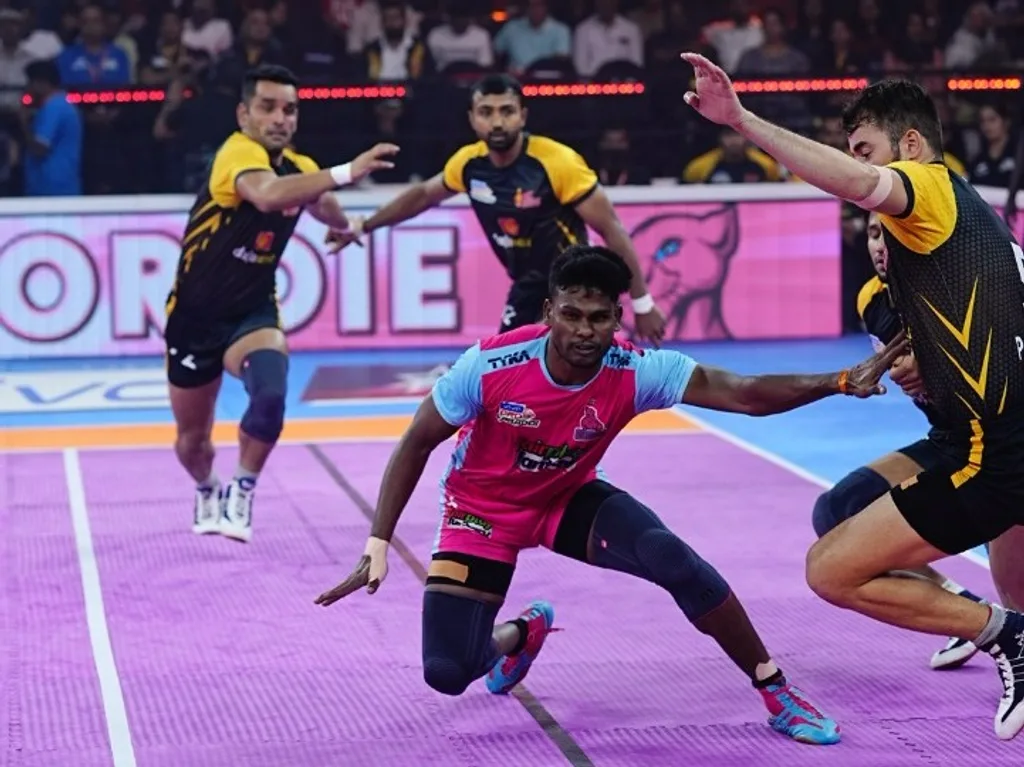
While the raider faces pressure, defenders also have a tactical challenge.
They know the raider must attempt something.
This gives them information.
Creating a Trap
Defenders may intentionally create the appearance of weakness.
For example:
- Leaving limited space
- Encouraging a specific attack
- Waiting for the raider to commit
The goal is to turn the raider’s pressure into a mistake.
Staying Disciplined
The biggest defensive mistake is becoming too aggressive.
Because the raider must attack, defenders may feel confident.
But an impatient defender can create the exact opening the raider needs.
Discipline is essential.
How Elite Raiders Prepare for Do-or-Die Situations
Professional players train specifically for pressure moments.
Their preparation includes:
Situation-Based Training
Players practise scenarios such as:
- Needing one point to stay ahead
- Chasing points late in a match
- Facing strong defensive formations
This builds confidence.
Opponent Analysis
Raiders study:
- Defender habits
- Favourite tackle techniques
- Common formations
Knowledge creates better decisions.
Mental Repetition
Players mentally prepare for pressure situations before they happen.
They imagine:
- Entering the raid
- Finding opportunities
- Escaping successfully
This helps reduce uncertainty.
Famous Do-or-Die Raids and Match Momentum
A successful do-or-die raid can have an impact beyond the single point.
It can:
- Increase team confidence
- Pressure opponents
- Change the rhythm of the match
- Energise supporters
Similarly, a failed raid can create momentum for the opposition.
This makes the situation one of the most influential moments in Kabaddi.
The Balance Between Courage and Intelligence
A great do-or-die raid requires courage.
The raider must be willing to take responsibility.
But courage alone is not enough.
Blind aggression often leads to failure.
The best raiders combine:
- Confidence
- Awareness
- Patience
- Technical ability
They take risks—but calculated ones.
Why Fans Love the Do-or-Die Raid
The excitement comes from uncertainty.
Everyone knows something important is about to happen.
The raider must attack.
The defenders must stop them.
The outcome can change the entire match.
It represents everything that makes Kabaddi unique:
- Individual bravery
- Team strategy
- Physical intensity
- Mental pressure
Final Thoughts: The Ultimate Test of a Raider
The do-or-die raid is where Kabaddi’s physical and mental challenges meet.
It demands speed but also patience.
Confidence but also discipline.
Aggression but also intelligence.
The best raiders do not succeed because they ignore the pressure.
They succeed because they understand it.
They know that every movement matters, every decision carries risk, and every second creates an opportunity.
A do-or-die raid is not simply an attempt to score a point.
It is a test of whether a player can stay calm when the entire match is watching.