A Kabaddi raid lasts only a few seconds.
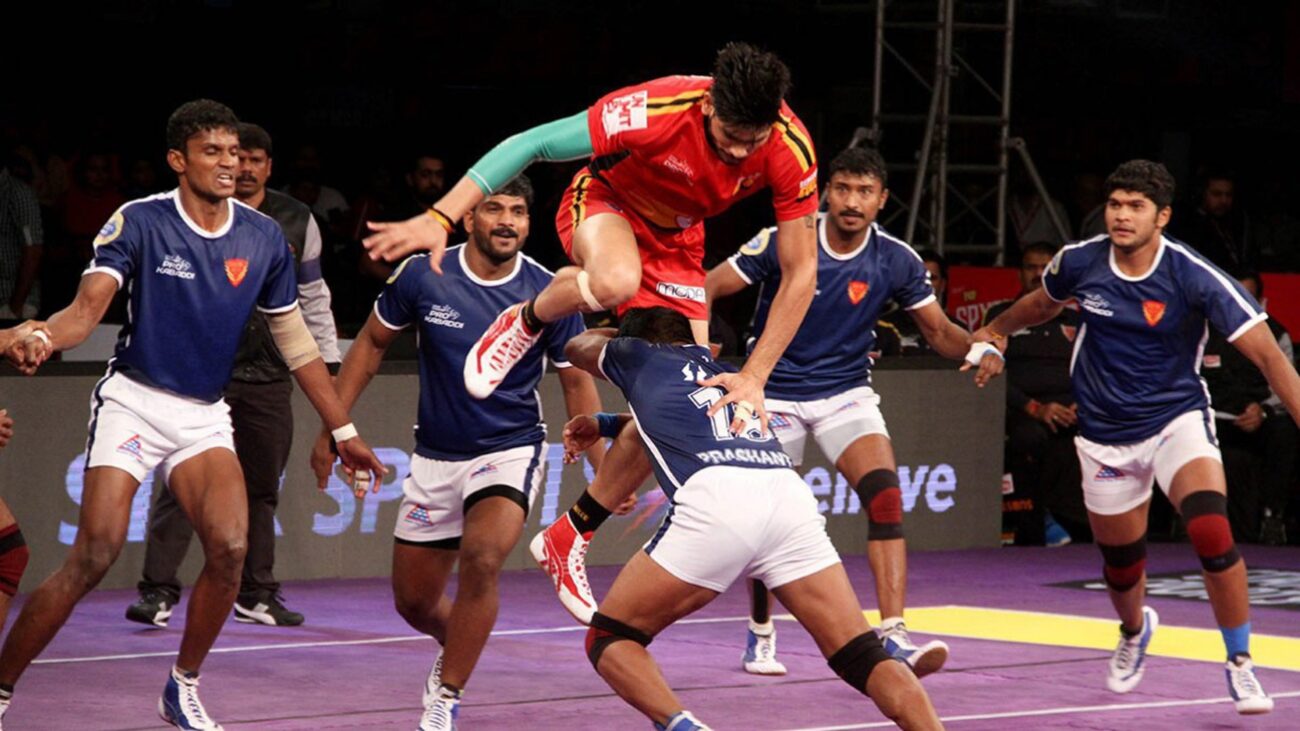
A raider crosses the line, enters enemy territory, and faces a wall of defenders waiting for the slightest mistake. Seven opponents are watching every movement, preparing to react, and looking for the perfect moment to stop the attack.
Physically, the challenge is demanding.
Mentally, it is even harder.
A successful raider must remain calm while surrounded by pressure. They must make instant decisions, control their emotions, and trust their training when every instinct tells them to escape immediately.
The greatest raiders are not only fast or powerful.
They are mentally prepared.
They understand that Kabaddi is not just a contest of movement.
It is a contest of confidence, awareness, and psychological control.
The Mindset Behind a Successful Raider
A raider enters the mat knowing that failure is always possible.
A mistake can lead to:
- Being tackled
- Losing a scoring opportunity
- Giving momentum to the opposition
- Increasing pressure on teammates
Yet elite raiders do not allow this possibility to control them.
Their mindset is built around one principle:
Focus on the decision, not the outcome.
A great raider does not think:
“What happens if I fail?”
Instead, they think:
“What is the best move in this moment?”
This allows them to stay present rather than becoming overwhelmed by pressure.
Confidence: The Foundation of Great Raiding
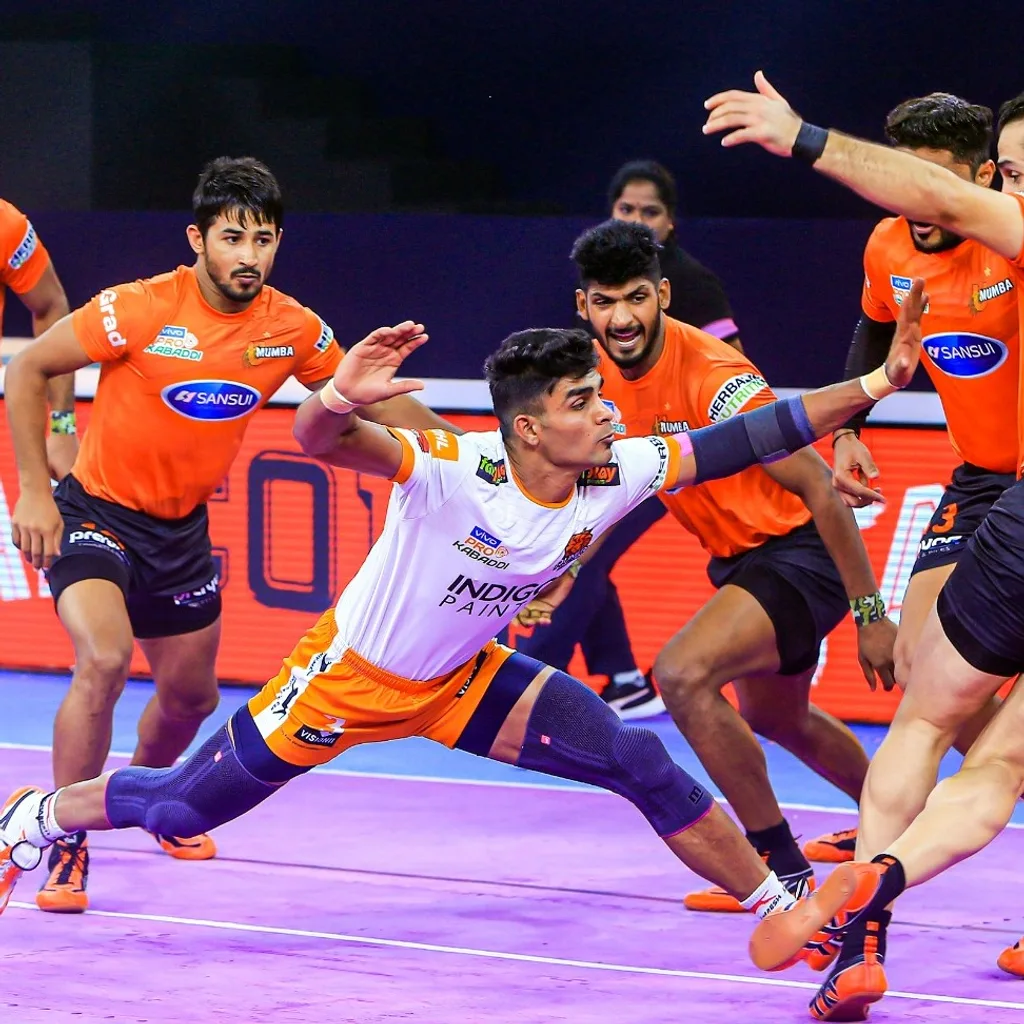
Confidence is one of the most important qualities in a raider.
A confident player does not mean someone who believes they will always succeed.
It means someone who trusts their preparation enough to make decisions under pressure.
Confidence Comes From Preparation
Elite raiders build confidence through repetition.
They spend countless hours practising:
- Footwork
- Escapes
- Hand touches
- Defensive reads
- Match situations
When pressure arrives during a game, they rely on skills that have already been developed through training.
Confidence is not created in the moment.
It is built long before the match begins.
The Difference Between Confidence and Overconfidence
A confident raider understands risk.
An overconfident raider ignores it.
The best players know when to attack and when to retreat.
They understand that every defender has strengths and weaknesses.
Confidence allows calculated decisions.
Overconfidence creates unnecessary mistakes.
Reading the Defence Under Pressure
A raider has very little time to analyse the situation.
Within seconds, they must evaluate:
- Defender positions
- Available space
- Possible escape routes
- Match conditions
This requires exceptional awareness.
Staying Calm to See Clearly
Pressure affects decision-making.
A nervous player may:
- Rush movements
- Ignore opportunities
- React emotionally
A calm player sees more options.
Mental control allows the raider to notice details that others might miss:
- A defender shifting weight
- A small gap opening
- A teammate’s tactical instruction
- A change in defensive formation
Calmness becomes a competitive advantage.
Decision-Making in High-Pressure Moments
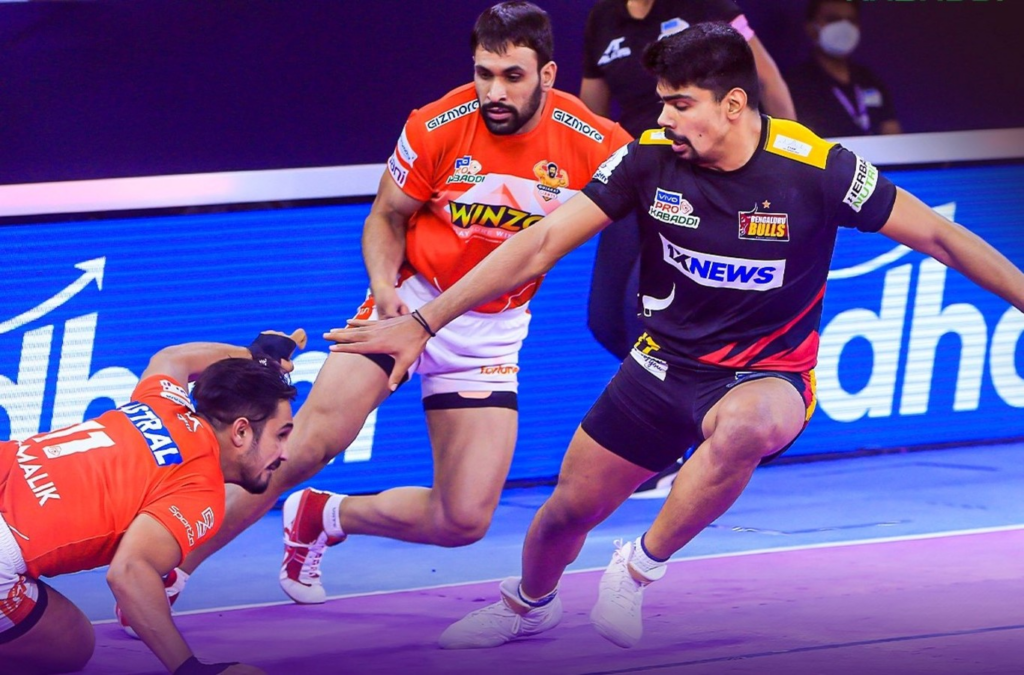
Kabaddi constantly creates situations where there is no perfect choice.
A raider may have to decide:
- Should I attempt a touch?
- Should I go for a bonus point?
- Should I wait?
- Should I escape immediately?
These decisions often happen within fractions of a second.
Experience Improves Instinct
Elite players appear to react automatically.
However, their instincts are developed through experience.
Years of competition teach raiders to recognise patterns quickly.
They have seen similar situations many times before.
Their brain becomes faster at identifying possibilities.
Managing Risk
Every raid involves risk.
A successful raider understands that the goal is not always maximum reward.
Sometimes the smartest decision is the safest one.
For example:
- A team leading comfortably may prefer controlled raids.
- A team needing points may accept greater risk.
- A tired defence may require aggressive attacking.
The best raiders understand the situation, not just the opportunity.
Handling Fear During a Raid
Fear is natural.
Facing multiple defenders requires courage.
The difference between elite athletes and others is not the absence of fear.
It is the ability to perform despite it.
Turning Fear Into Focus
Many athletes use pressure as energy.
Instead of thinking:
“The defenders are waiting for me.”
They think:
“I know what I need to do.”
This mental shift changes the experience completely.
Fear becomes concentration.
Pressure becomes motivation.
Mental Preparation Before the Match
Successful raiders prepare mentally before stepping onto the mat.
Their preparation may include:
Visualisation
Players imagine different situations:
- Scoring a touch
- Escaping a tackle
- Facing specific defenders
- Handling difficult moments
Visualisation helps the brain prepare for real challenges.
Breathing Control
Controlled breathing helps maintain focus.
It can:
- Reduce unnecessary tension
- Improve concentration
- Keep emotions stable
A calm body supports a calm mind.
Match Planning
Raiders often study opponents before competition.
They analyse:
- Defensive habits
- Favourite tackle techniques
- Player tendencies
Preparation creates confidence.
Recovering After Failure
Even the best raiders fail.
A top player may be stopped several times in a match.
The important skill is responding afterwards.
Avoiding Emotional Decisions
A failed raid can create frustration.
A frustrated player may attempt a reckless attack to immediately recover.
Experienced raiders understand that one mistake does not define the match.
They reset.
They learn.
They move forward.
Building Mental Resilience
Resilience means maintaining performance despite setbacks.
Great raiders develop resilience by:
- Accepting mistakes
- Reviewing performances
- Learning from opponents
- Maintaining confidence
The ability to recover quickly is a major advantage.
The Psychological Battle Between Raider and Defender
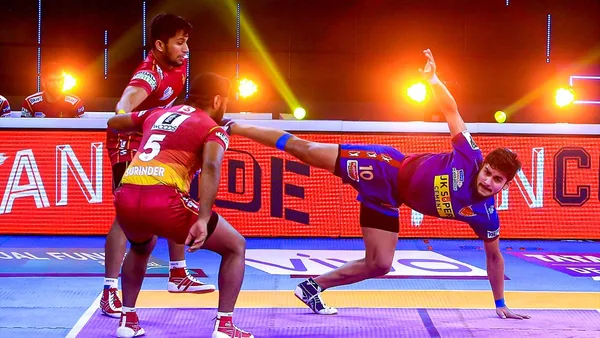
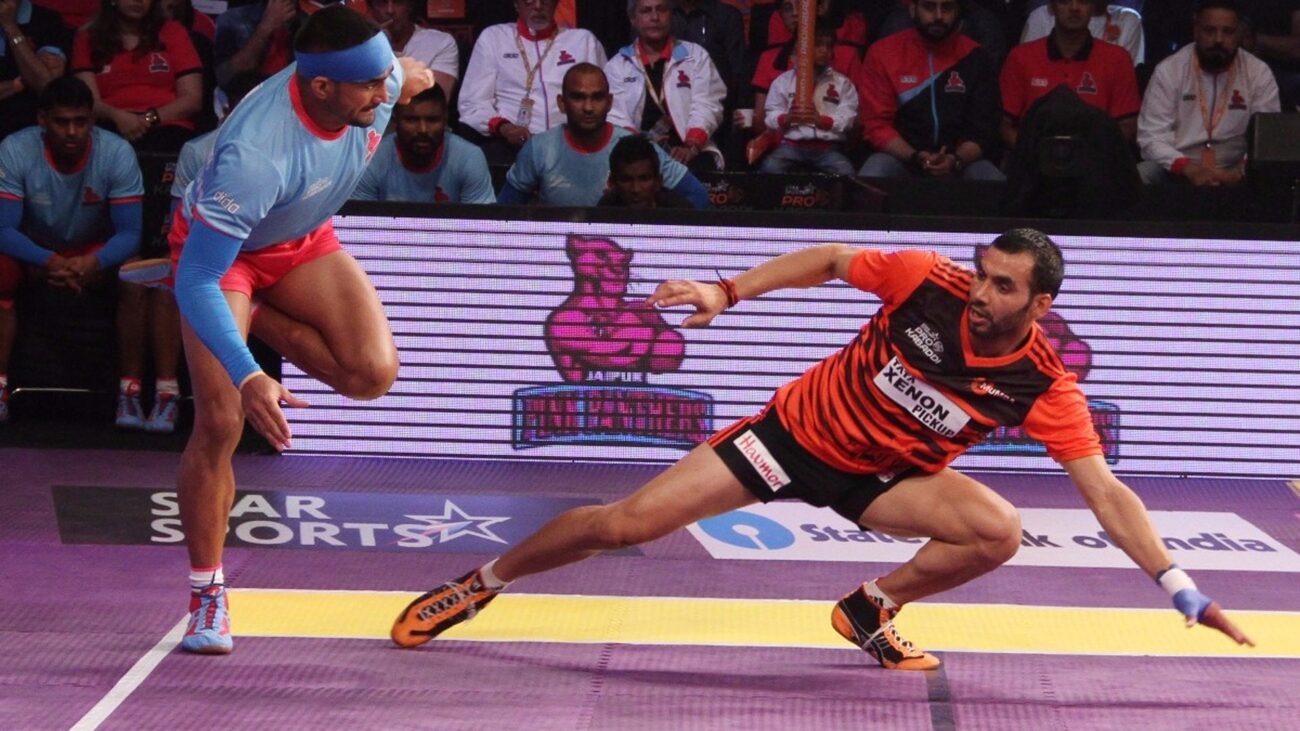
Every raid is a conversation without words.
The raider sends signals through movement.
The defenders interpret those signals.
The raider tries to create uncertainty.
The defenders try to remove it.
This creates a constant mental battle.
A small hesitation can reveal weakness.
A fake movement can create confusion.
A confident approach can force defenders to react.
The psychological battle often begins before physical contact happens.
The Importance of Patience
One of the hardest skills for young raiders to develop is patience.
Many players want to attack immediately.
But elite raiders understand that waiting can create better opportunities.
Patience allows them to:
- Study defenders
- Avoid unnecessary risks
- Control the pace
- Choose the right moment
A calm raider is often more dangerous than an aggressive one.
Building the Mentality of a Champion
Championship-level raiders combine physical ability with mental discipline.
They develop:
- Self-belief
- Focus
- Adaptability
- Emotional control
- Tactical awareness
These qualities allow them to perform when pressure is highest.
The final minutes of a close match are not won only by skill.
They are won by players who can remain composed.
Final Thoughts: The Calm Mind Behind the Great Raid
A Kabaddi raider faces one of the most intense situations in sport.
They enter alone.
They face multiple opponents.
They have seconds to decide.
Yet the greatest raiders make it look controlled because they have mastered the mental side of the game.
Their advantage is not only speed.
It is confidence.
Not only strength.
It is awareness.
Not only courage.
It is calmness under pressure.
When seven defenders are hunting for a mistake, the best raiders know the most powerful weapon they have is the ability to stay completely focused.