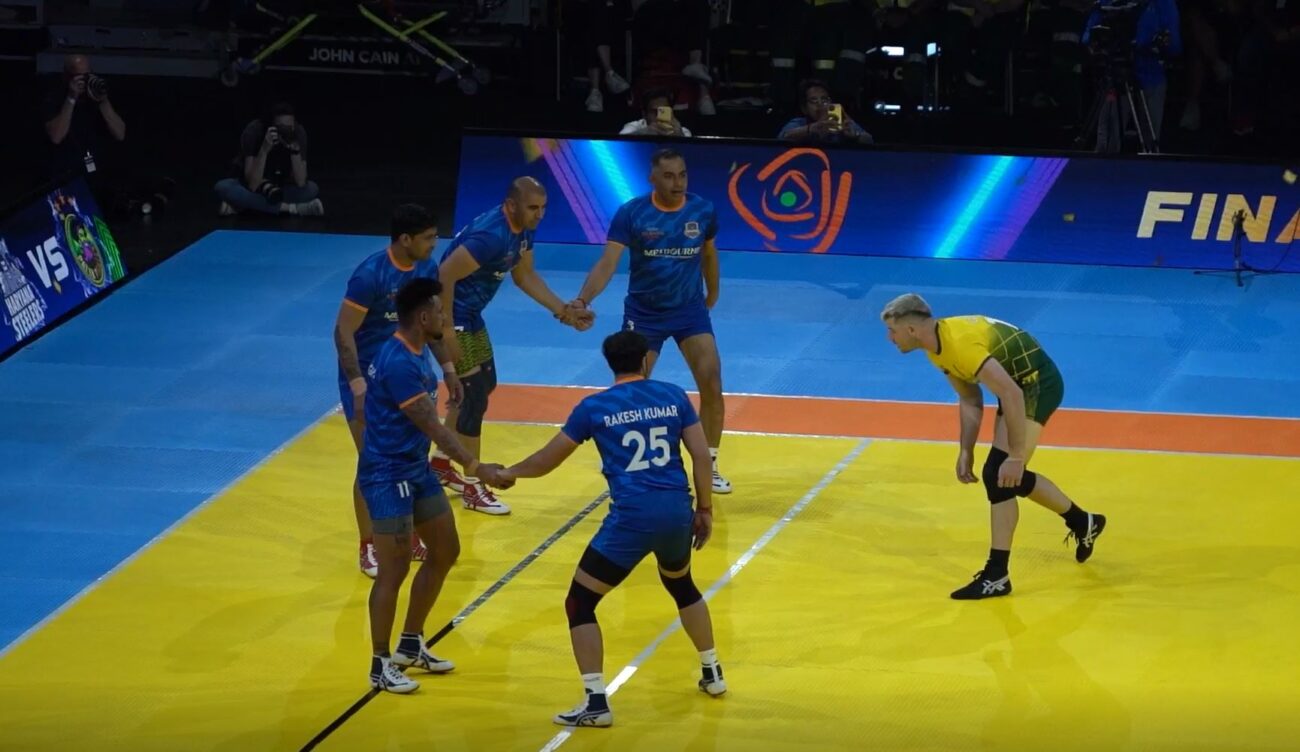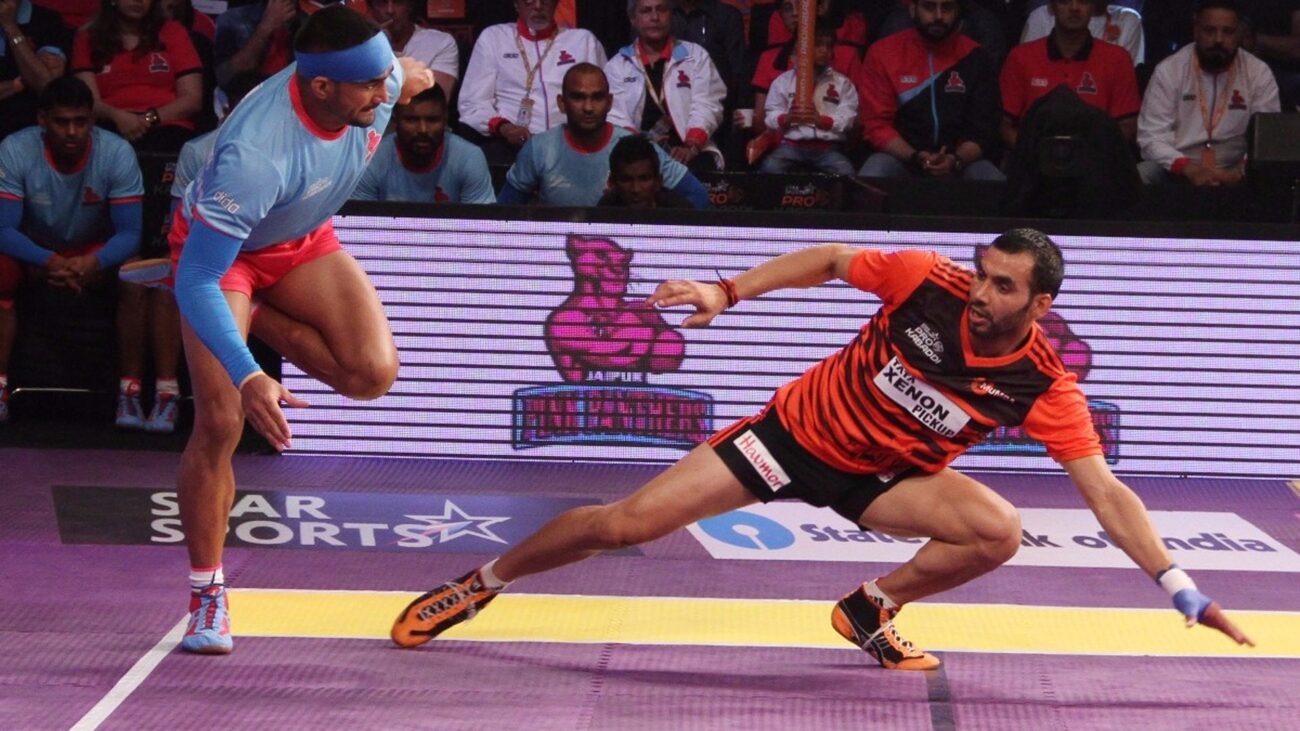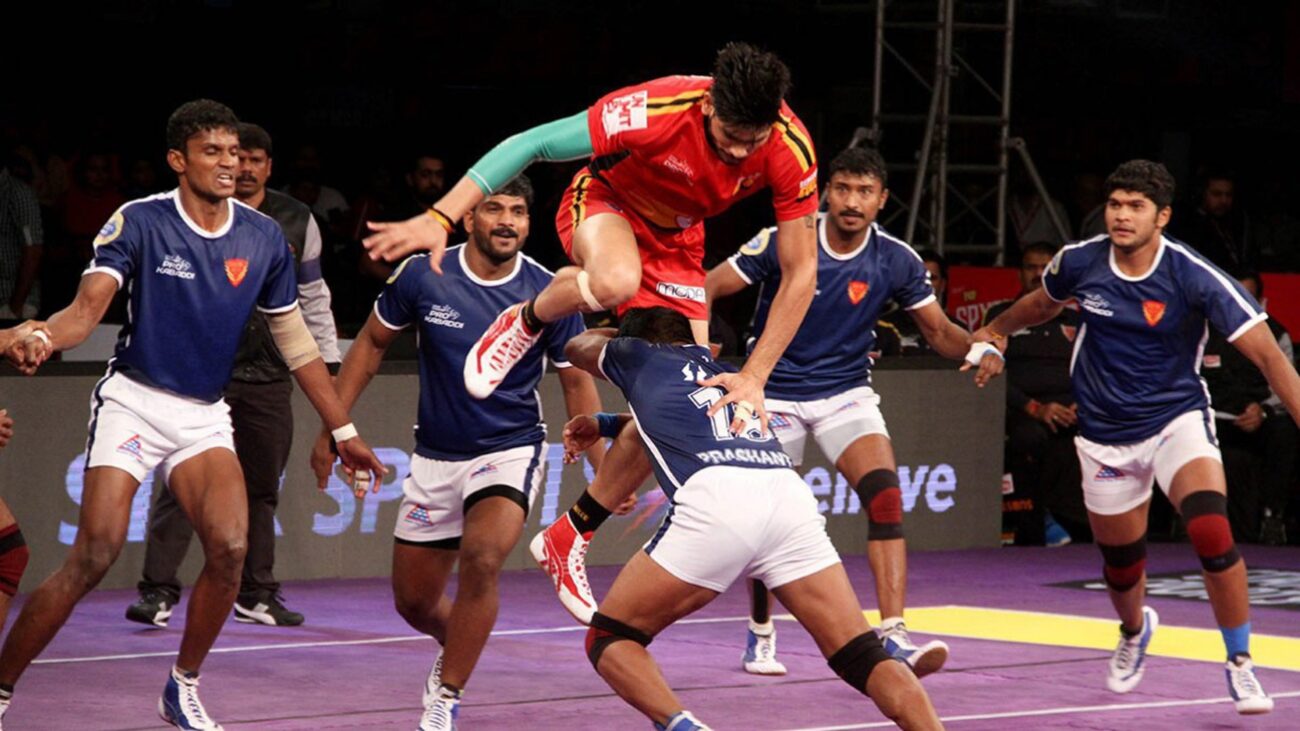
For centuries, Kabaddi was deeply connected to the villages, communities, and sporting traditions of South Asia.
Played on open fields and local grounds, the sport required almost no equipment. All players needed was a playing area, physical fitness, and the courage to challenge opponents one-on-one.
Today, Kabaddi has transformed.
What was once viewed primarily as a regional sport has become an international competition, attracting athletes, fans, and professional organisations across the world.
From India to Iran, South Korea to Kenya, and the United Kingdom to many other countries, Kabaddi is developing into a truly global sport.
Its journey reflects the power of tradition, modern professional leagues, international competitions, and a unique style of athletic competition that combines speed, strength, strategy, and teamwork.
From Traditional Game to International Sport
Kabaddi has ancient roots, with variations of the game played across parts of South Asia for generations.
Traditionally, it was a community sport that tested:
- Strength
- Agility
- Endurance
- Courage
- Tactical awareness
The basic concept remained simple:
One player attacks.
A group defends.
The attacker must score and return safely.
This simplicity helped Kabaddi travel. Unlike many sports, it does not require expensive equipment or complex facilities. Communities around the world could adopt the game with relatively few resources.
However, the modern international growth of Kabaddi accelerated when the sport became more organised.
The Role of International Competitions
The development of structured competitions helped introduce Kabaddi to wider audiences.
International tournaments created opportunities for teams from different countries to compete, develop rivalries, and improve standards.
These competitions helped demonstrate that Kabaddi was not only a traditional pastime.
It was a serious athletic sport requiring:
- Professional training
- Tactical preparation
- High-level fitness
- Team coordination
As more countries participated, international interest continued to grow.
India: The Global Centre of Kabaddi
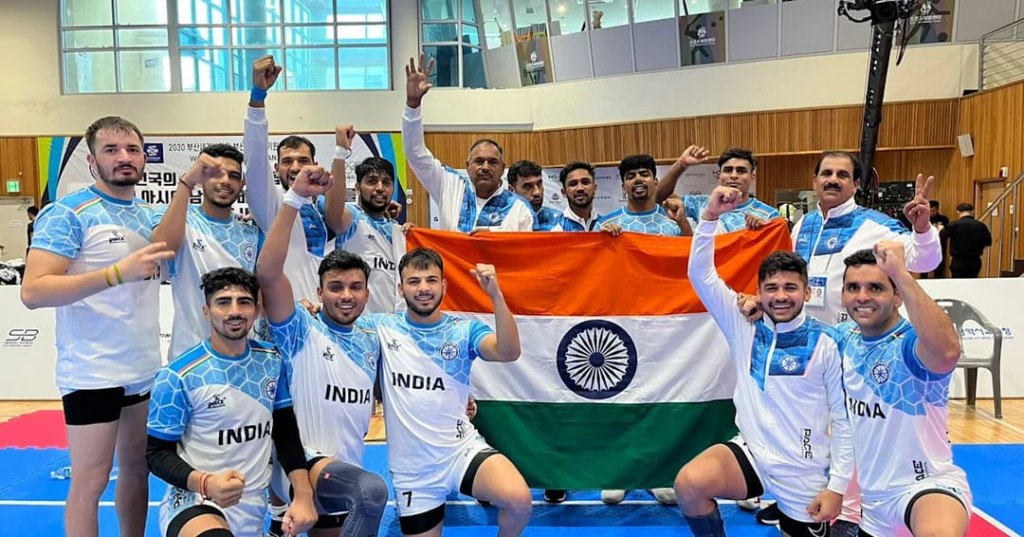
India remains the heart of modern Kabaddi.
The country has the largest player base, the strongest domestic competitions, and a deep cultural connection with the sport.
Professional leagues have played a major role in modernising Kabaddi by bringing:
- Television coverage
- Professional athletes
- International players
- Commercial sponsorship
- New audiences
The popularity of professional Kabaddi has helped transform players into recognised sporting figures and encouraged younger generations to pursue the game.
India’s influence has also helped spread coaching knowledge and training methods internationally.
Iran: A New Powerhouse of World Kabaddi
Iran has become one of the strongest Kabaddi nations outside South Asia.
The country’s success is especially notable because Iranian athletes have brought their own sporting strengths into the game.
Iranian Kabaddi players are known for developing:
- Physical strength
- Wrestling-inspired techniques
- Strong defensive skills
- Tactical discipline
The country has achieved major success in international competitions and has become a consistent challenger at the highest level.
Iran’s growth demonstrates how Kabaddi can adapt to different sporting cultures.
Athletes from other backgrounds can bring new approaches while maintaining the traditional identity of the game.
South Korea: Combining Speed and Technique
South Korea has also developed a strong Kabaddi presence.
Korean athletes have often been recognised for their:
- Speed
- Agility
- Technical precision
- Fitness preparation
The country’s sporting culture, which values discipline and structured training, has helped create competitive Kabaddi teams.
South Korea’s participation has helped expand the sport’s visibility in East Asia and introduced Kabaddi to new audiences.
The growth of the sport there shows that Kabaddi’s appeal is not limited by geography.
The United Kingdom: Building a Kabaddi Community

The UK has a unique connection with Kabaddi because of its diverse communities and strong sporting culture.
Kabaddi has grown through:
- Local clubs
- Community organisations
- University programmes
- National competitions
- International participation
British Kabaddi has benefited from communities with cultural links to South Asia, while also attracting players and fans from wider backgrounds.
The UK provides an example of how traditional sports can establish themselves in new environments.
The sport is increasingly introduced through:
- Schools
- Community events
- Grassroots programmes
- Sporting initiatives
As awareness grows, Kabaddi continues to find new supporters across Britain.
Kenya and the Growth of African Kabaddi
Kabaddi’s expansion into Africa highlights the sport’s ability to develop in diverse regions.
Kenya has become one of the countries where Kabaddi has gained recognition and competitive participation.
The sport appeals because it shares similarities with other athletic traditions that value:
- Speed
- Strength
- Teamwork
- Physical endurance
African athletes bring their own style and athletic backgrounds to Kabaddi, creating new approaches to the game.
The growth of Kabaddi in Kenya represents a wider trend of the sport reaching communities beyond its traditional regions.
Why Kabaddi Works as a Global Sport
Several qualities make Kabaddi suitable for international growth.
Simple Rules
The basic concept is easy to understand.
A player attacks.
Defenders attempt to stop them.
Points are scored through successful actions.
This makes Kabaddi accessible to new audiences.
Low Equipment Requirements
Compared with many sports, Kabaddi requires minimal equipment.
A community can begin playing with:
- A suitable playing area
- Basic markings
- Players willing to participate
This makes development possible even where resources are limited.
Exciting Athletic Action
Kabaddi combines several elements that attract sports fans:
- Sprinting
- Wrestling
- Strategy
- Individual battles
- Team tactics
Each raid creates suspense because a single decision can change the match.
The Impact of Professional Leagues
Professional Kabaddi leagues have transformed how the sport is viewed.
They have helped introduce:
- Better player preparation
- Higher standards of competition
- International recruitment
- Improved broadcasting
Professionalisation has also encouraged athletes to treat Kabaddi as a serious career.
Players now train year-round, study opponents, and use advanced fitness methods.
The Role of Technology and Modern Training
International Kabaddi continues to evolve through modern sports science.
Teams increasingly use:
- Match analysis
- Video review
- Performance tracking
- Fitness monitoring
Coaches can study opponent habits and develop more detailed strategies.
This has raised the overall quality of competition and helped developing nations close the gap with traditional Kabaddi powers.
Challenges Facing Global Kabaddi Growth
Despite its progress, Kabaddi still faces challenges.
Building Wider Recognition
Many sports fans around the world are still unfamiliar with Kabaddi.
Growing the audience requires:
- Better media coverage
- More international events
- Grassroots development
Creating More Professional Pathways
For Kabaddi to continue growing, athletes need opportunities to:
- Train professionally
- Compete regularly
- Develop careers
Expanding Youth Participation
The future of international Kabaddi depends on introducing the sport to younger players.
Schools and local clubs play an important role in creating the next generation of athletes.
The Future of International Kabaddi
Kabaddi’s journey from local fields to international arenas shows how sports evolve.
A game built around simple principles has developed into a highly tactical and professional competition.
Countries around the world are adding their own styles, creating new rivalries, and helping the sport grow.
The future may bring stronger teams from more regions, greater professional opportunities, and a larger global audience.
Final Thoughts: A Sport Without Borders
Kabaddi’s international rise proves that great sports do not need complicated beginnings.
At its core, Kabaddi remains a simple contest:
One player takes a risk.
A team tries to stop them.
A few seconds decide the outcome.
That combination of courage, strategy, and athletic skill has allowed Kabaddi to move beyond its regional origins and become a sport with worldwide potential.
From India’s traditional roots to growing communities in the UK, Iran, South Korea, Kenya, and beyond, Kabaddi is no longer just a regional game.
It is becoming a global sporting story.