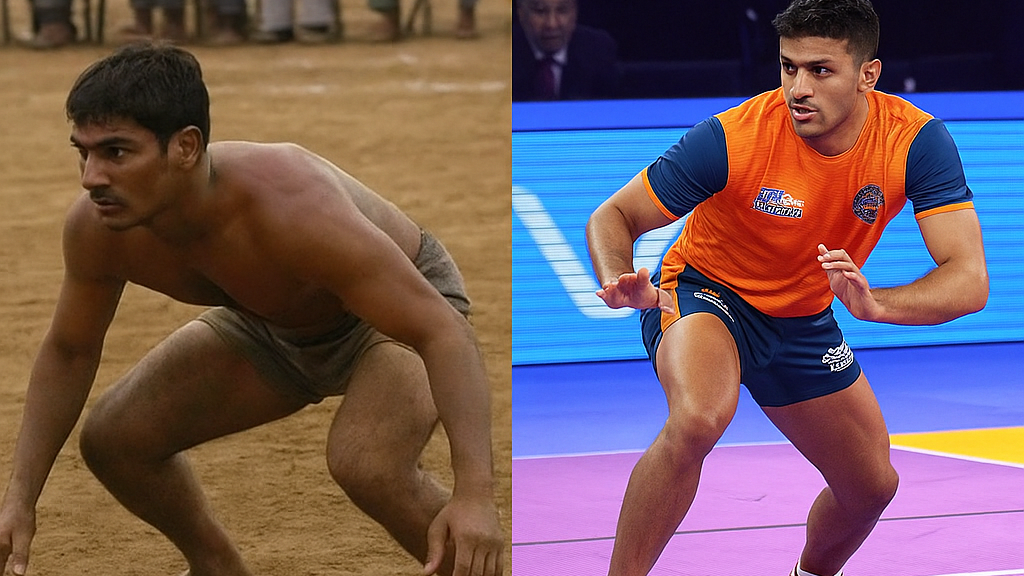
For generations, Kabaddi was a game played wherever communities gathered.
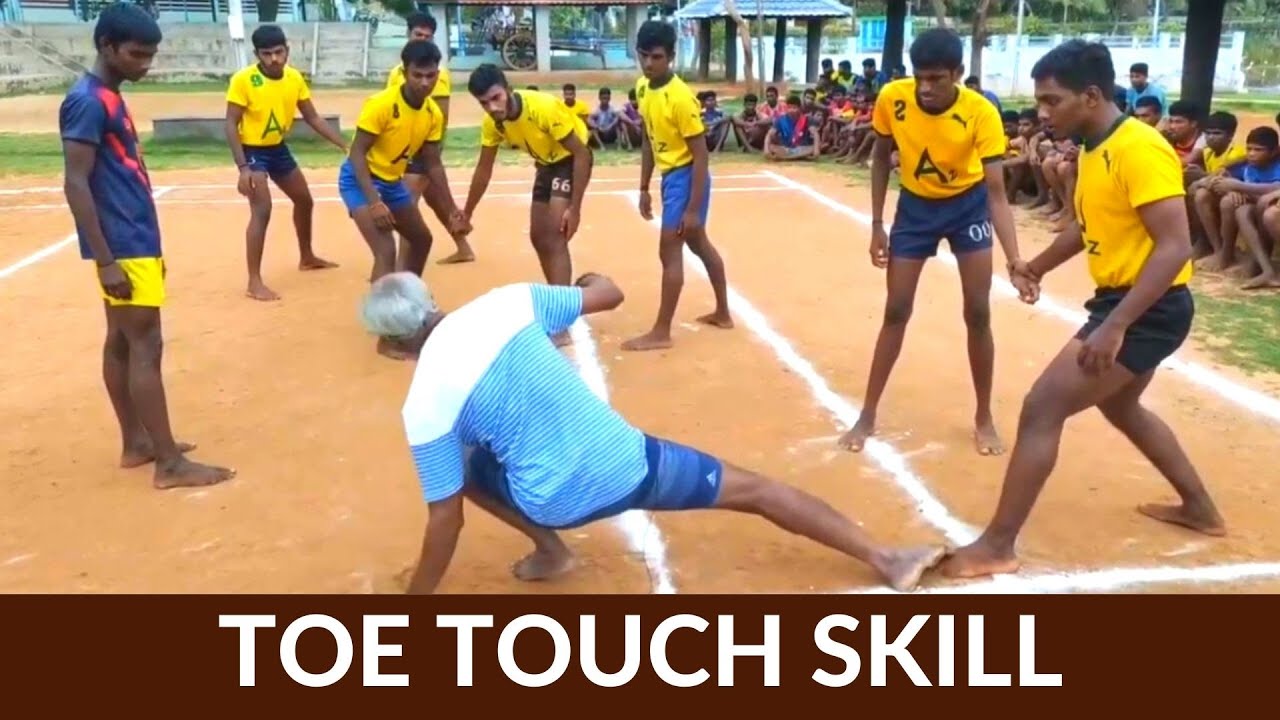
A patch of open ground could become a Kabaddi field. Players needed little equipment, few formal rules, and only the desire to compete. The sport was built around local rivalries, physical courage, and community pride.
Today, Kabaddi has entered a new era.
Professional leagues, international competitions, modern training facilities, and global broadcasting have transformed the sport into a highly organised athletic spectacle.
Yet despite these changes, the heart of Kabaddi remains the same.
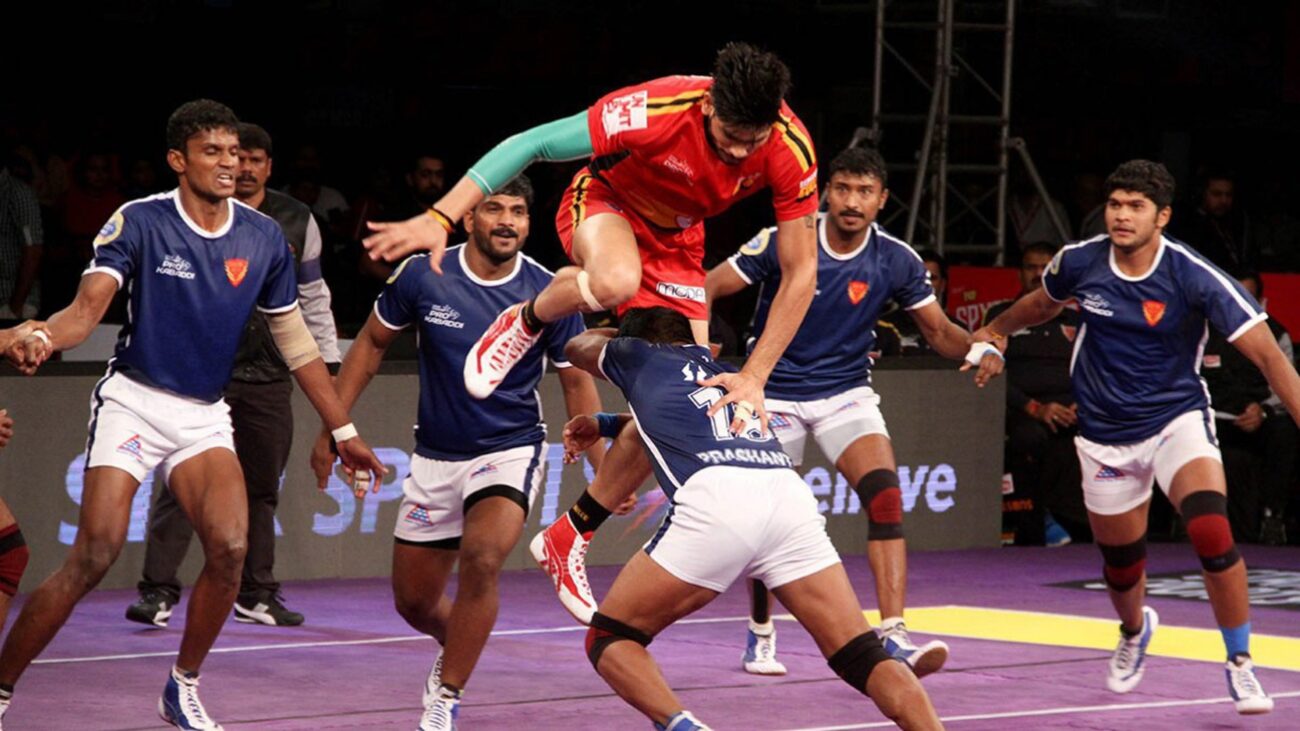
At every level, the game still revolves around one player entering opposition territory, a group of defenders attempting to stop them, and the battle of skill, strategy, and courage that follows.
The journey from village grounds to professional arenas shows how a traditional sport can evolve while preserving its identity.
The Traditional Roots of Kabaddi
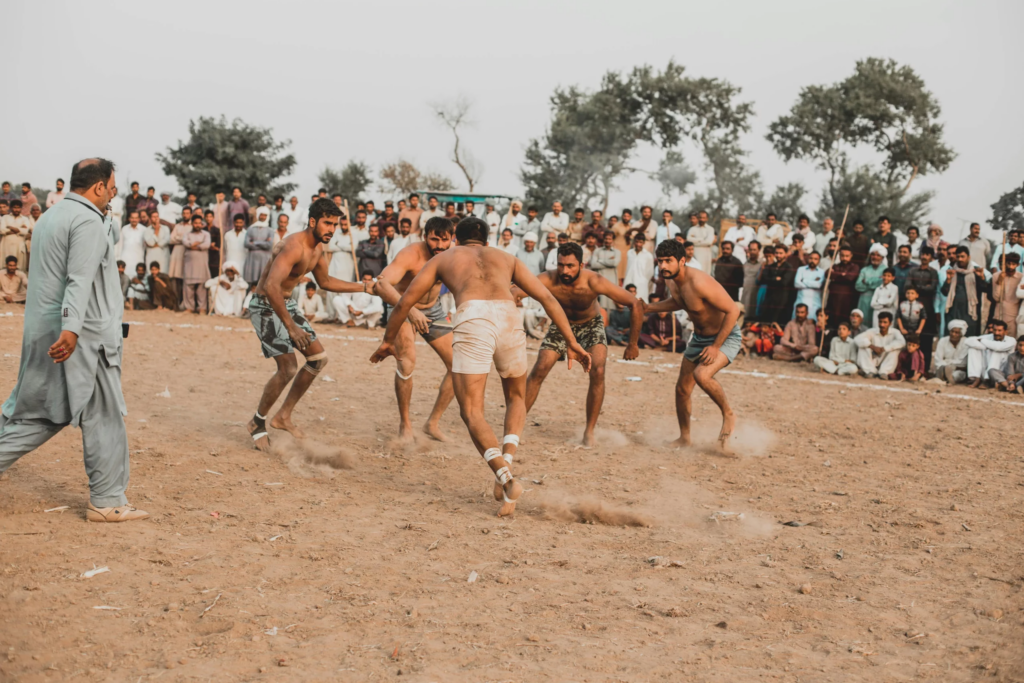
Kabaddi developed as a community sport across South Asia, where it became part of local culture and sporting traditions.
In villages and smaller communities, Kabaddi was more than entertainment.
It was a way for people to:
- Build physical fitness
- Develop teamwork
- Celebrate local identity
- Create community connections
Matches were often organised around festivals, gatherings, and regional events.
Players competed not only for victory but also for reputation and pride.
The Simplicity of Grassroots Kabaddi
One of Kabaddi’s greatest strengths has always been its accessibility.
Traditional Kabaddi required:
- An open playing area
- A group of players
- Basic understanding of the rules
There was no need for expensive equipment or specialised facilities.
This allowed the sport to spread naturally through communities.
Children could learn by watching older players.
Young athletes could develop skills through informal competition.
The game belonged to everyone.
The Culture of Local Rivalries
Grassroots Kabaddi was built around personal connections.
Many matches featured:
- Village versus village competitions
- Local tournaments
- Family sporting traditions
- Regional rivalries
These events created strong emotional connections.
Winning was not only about points on a scoreboard.
It represented community pride.
Players often became local heroes because their performances reflected the identity of the places they represented.
The Physical Style of Traditional Kabaddi
Traditional Kabaddi placed heavy emphasis on natural athletic ability.
Players developed skills through:
- Regular practice
- Informal matches
- Physical conditioning through play
Training was often less structured than modern methods.
Athletes learned through experience:
- How to avoid tackles
- How to read opponents
- How to improve movement
- How to handle pressure
The sport rewarded instinct and creativity.
The Professional Transformation of Kabaddi
Modern Kabaddi has changed dramatically.
Professional competitions have introduced:
- Standardised rules
- Structured seasons
- Professional coaching
- Athlete contracts
- Television coverage
- International participation
Kabaddi is no longer only a community activity.
It has become a professional sporting industry.
The Rise of Stadium-Based Competition
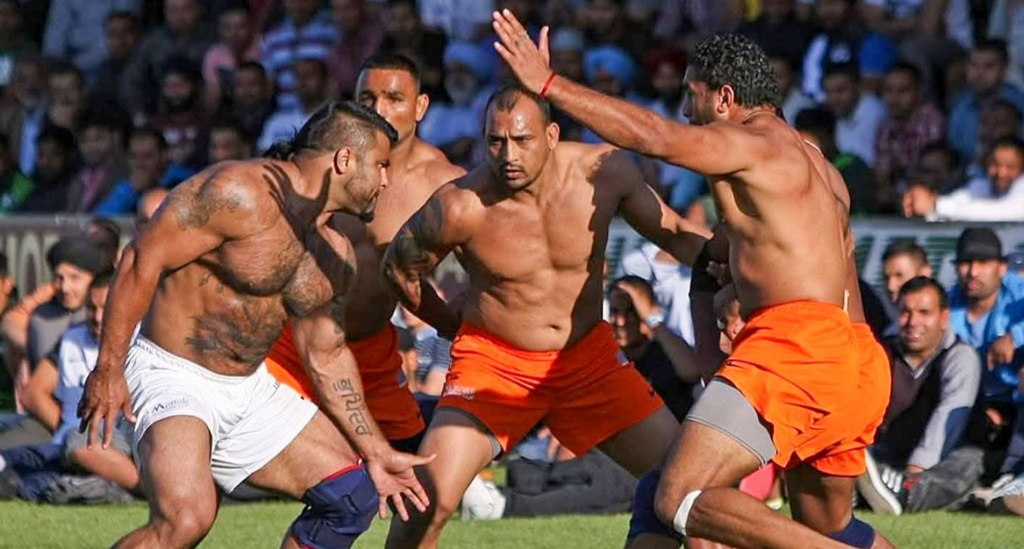
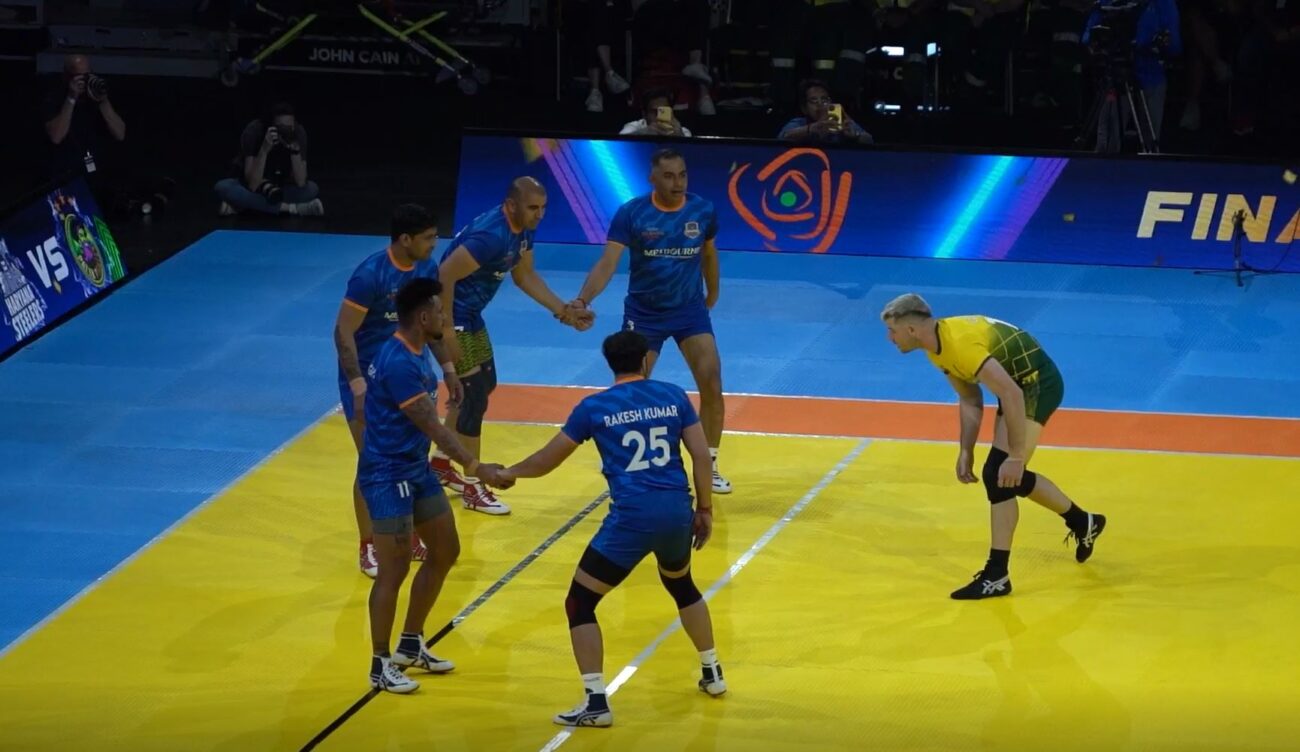
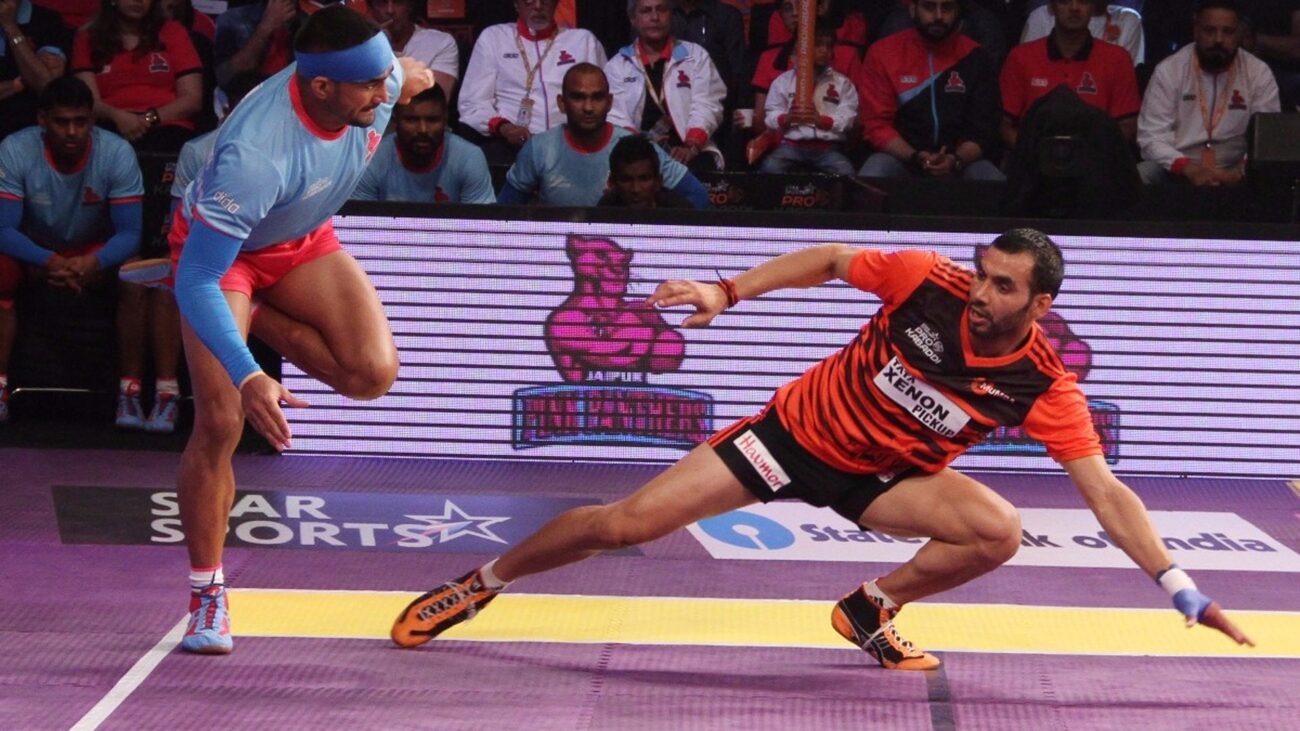
Professional Kabaddi matches are now held in large arenas designed for entertainment.
Modern events feature:
- Professional lighting
- Live broadcasts
- Large audiences
- Team branding
- Advanced production
The atmosphere is closer to major international sports than traditional village tournaments.
Fans now follow teams throughout seasons rather than only attending local events.
Changes in Player Training
One of the biggest differences between traditional and modern Kabaddi is preparation.
Traditional Training
Grassroots players often developed through:
- Regular matches
- Community coaching
- Natural physical activity
- Experience-based learning
Modern Training
Professional athletes follow detailed programmes involving:
- Strength conditioning
- Nutrition planning
- Recovery routines
- Video analysis
- Tactical preparation
Players now train like elite athletes in other professional sports.
The Evolution of Playing Style
Modern Kabaddi has become faster and more tactical.
Professional players focus heavily on:
- Efficiency
- Strategy
- Defensive systems
- Individual specialisation
Players increasingly develop specific roles.
A team may have:
- Specialist raiders
- Defensive experts
- All-round players
This level of specialisation was less common in traditional formats.
Technology’s Role in Modern Kabaddi
Technology has introduced new ways to analyse and improve performance.
Professional teams use:
- Match footage
- Player statistics
- Performance tracking
- Opponent analysis
Coaches can now study details such as:
- Raid success rates
- Defensive efficiency
- Player movement patterns
This has made Kabaddi more scientific.
The Changing Role of the Coach
In traditional Kabaddi, experienced players and local mentors often guided teams.
Modern Kabaddi has introduced professional coaching structures.
Coaches now manage:
- Training programmes
- Tactical strategies
- Player development
- Match preparation
They analyse opponents and create detailed game plans.
The coach has become a central figure in team success.
How Professional Leagues Changed the Sport
Professional leagues have had a major impact on Kabaddi’s popularity.
They have helped:
- Attract new fans
- Improve player opportunities
- Increase media coverage
- Encourage international participation
Young athletes can now see Kabaddi as a possible career rather than only a recreational activity.
The Globalisation of Kabaddi
Traditional Kabaddi was strongly associated with South Asian communities.
Modern Kabaddi has expanded internationally.
Countries including:
- Iran
- South Korea
- Kenya
- The United Kingdom
- Other nations across Asia and beyond
have developed competitive teams and growing Kabaddi communities.
International participation has introduced new styles and training approaches.
What Has Not Changed
Despite all the changes, the fundamental nature of Kabaddi remains intact.
The sport still requires:
- Courage
- Quick thinking
- Physical strength
- Teamwork
- Tactical awareness
A professional arena may have thousands of spectators, advanced technology, and professional production.
But when a raider crosses the line, the challenge remains the same.
One player.
A group of defenders.
A moment of decision.
The Balance Between Tradition and Modernisation
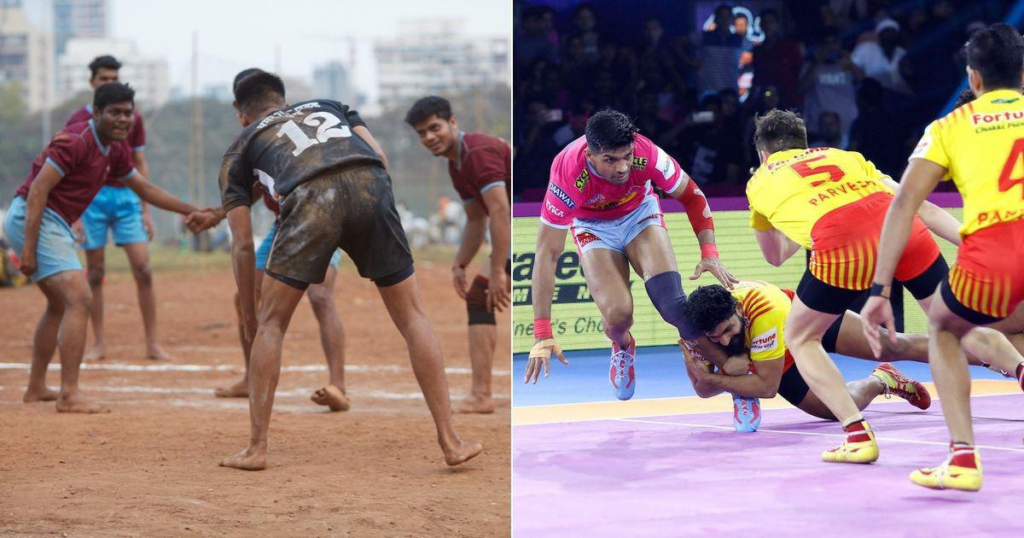
The growth of Kabaddi creates an important challenge:
How can the sport continue developing while protecting its traditional identity?
Modern competition brings many benefits:
- Better athlete support
- Greater visibility
- Improved standards
However, grassroots Kabaddi remains essential because it provides the foundation for future generations.
Village competitions continue to introduce new players and preserve the cultural connection that made the sport popular.
The Future of Kabaddi
The future of Kabaddi will likely combine both worlds.
Professional competitions will continue to grow through:
- Better broadcasting
- International expansion
- Advanced training
- New audiences
At the same time, grassroots communities will continue to keep the original spirit of the sport alive.
The best future for Kabaddi is one where modern professionalism strengthens traditional foundations rather than replacing them.
Final Thoughts: A Sport That Continues to Evolve
Kabaddi’s journey from village grounds to professional arenas is a story of adaptation.
The sport has moved from informal community contests to international competitions without losing its essential character.
The fields may have changed.
The training methods may have changed.
The audiences may have changed.
But the excitement remains the same.
A raider still takes a risk.
Defenders still work together to stop them.
And every match still depends on skill, bravery, and strategy.
Kabaddi has grown from a local tradition into a global sport—but its roots remain firmly connected to the communities that created it.