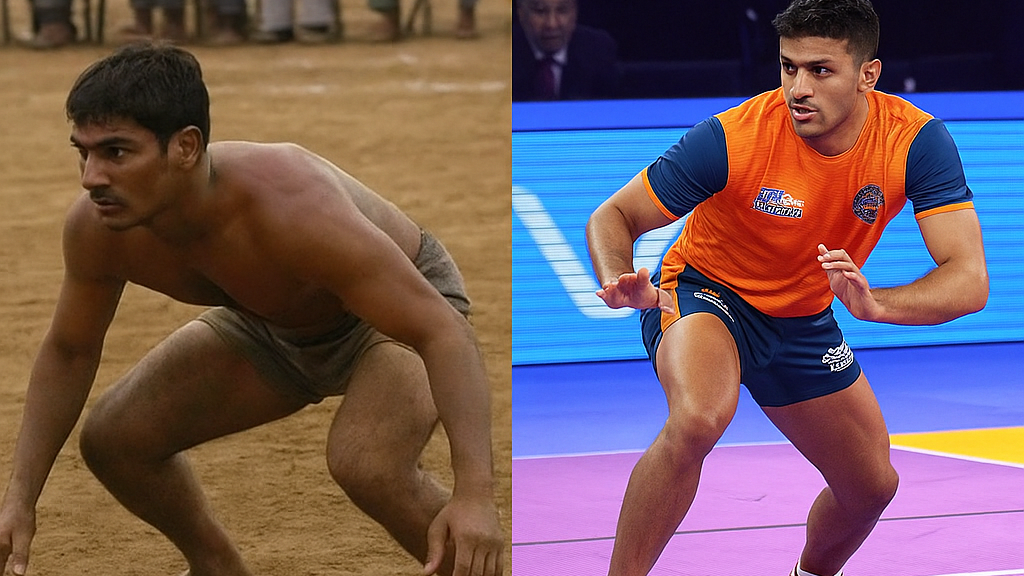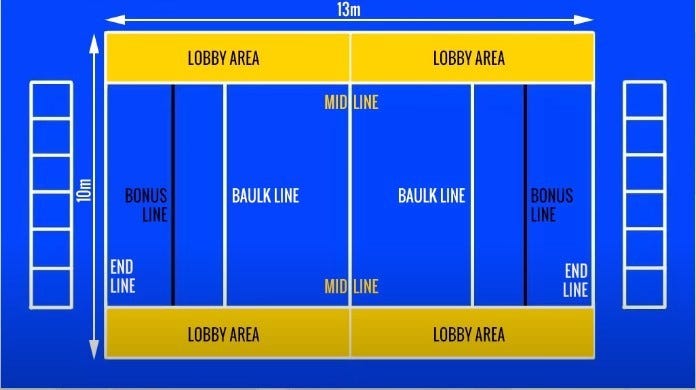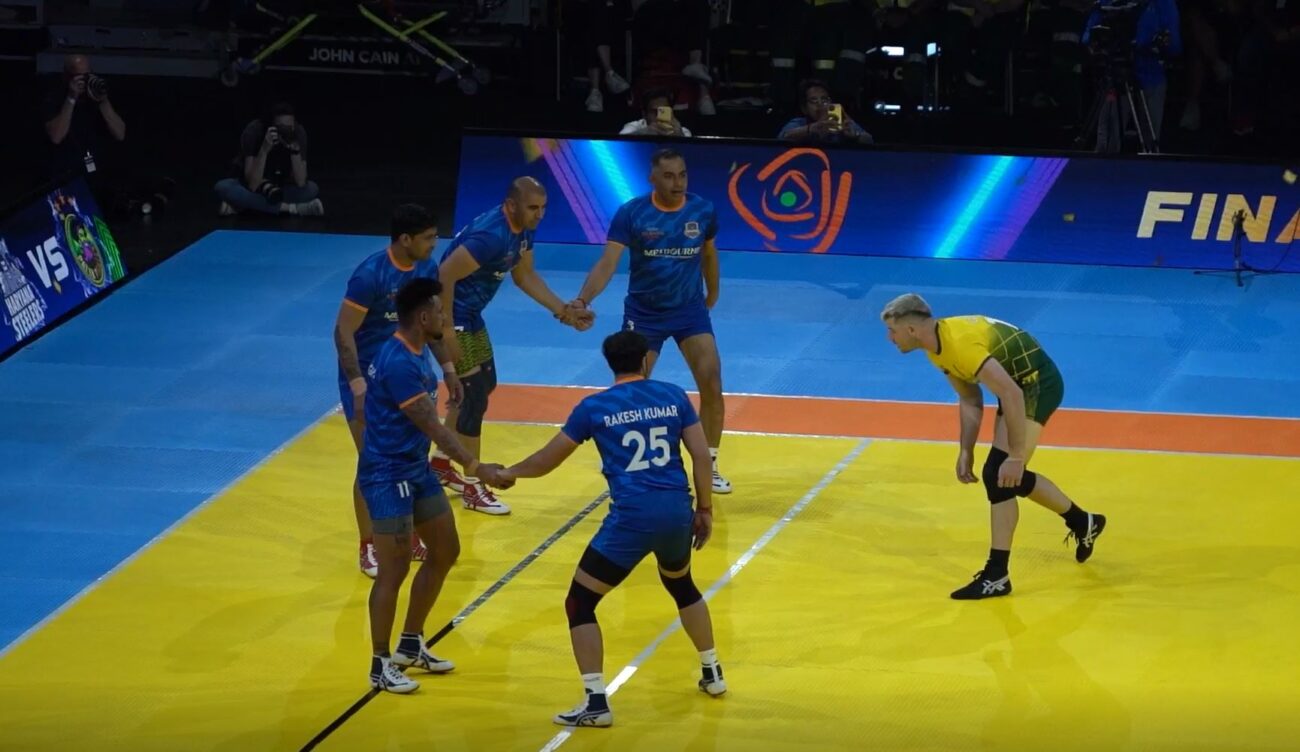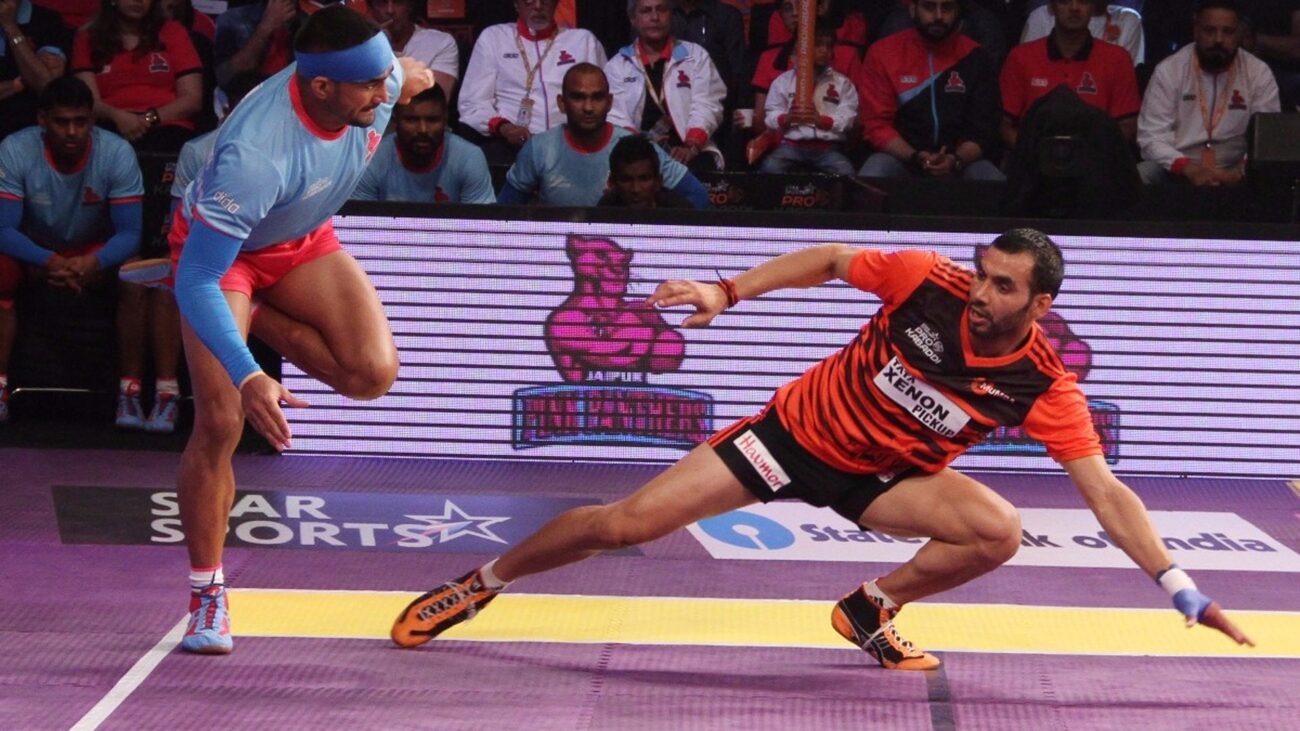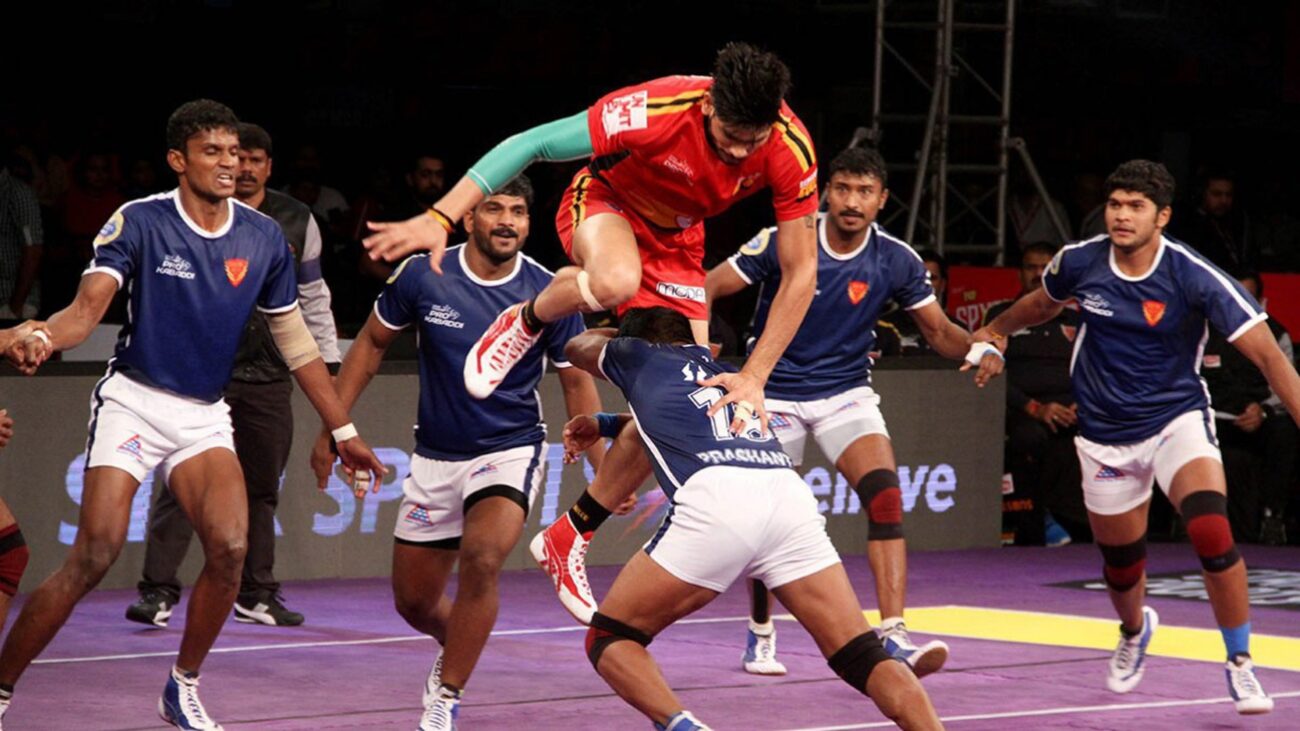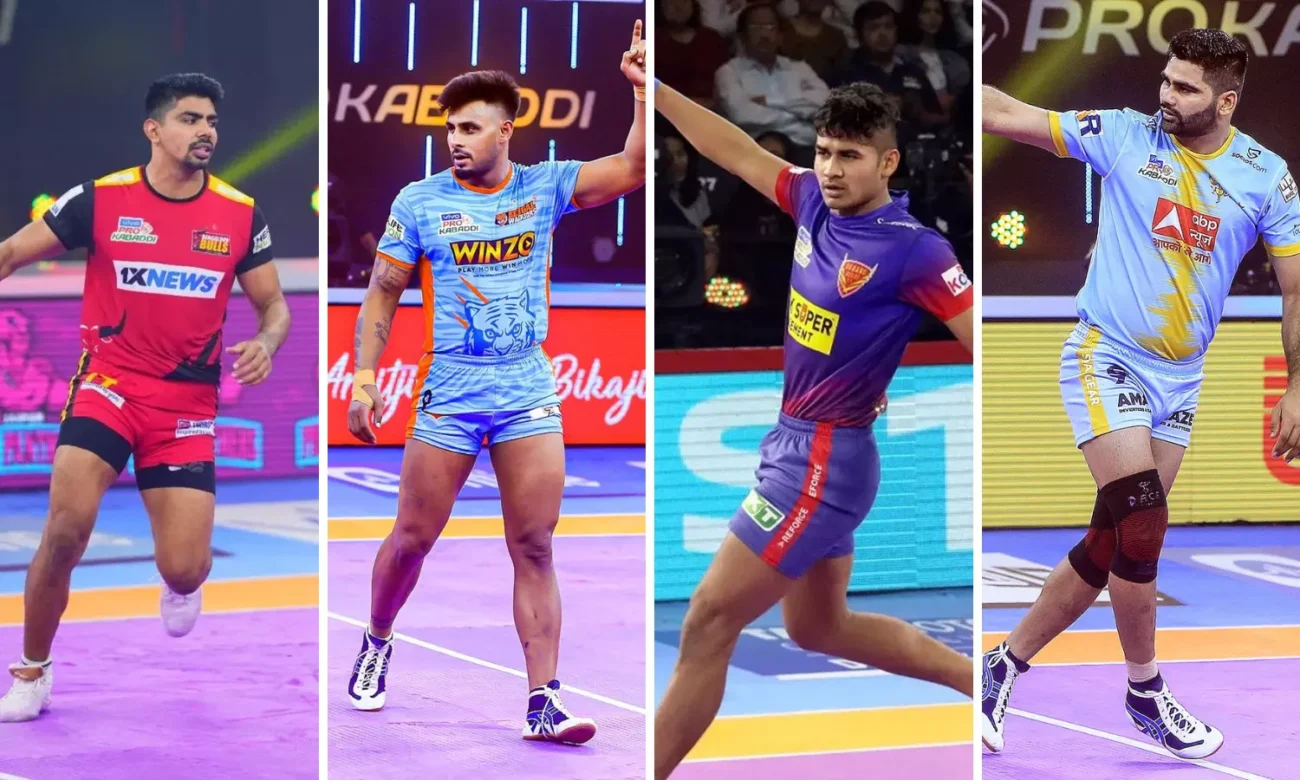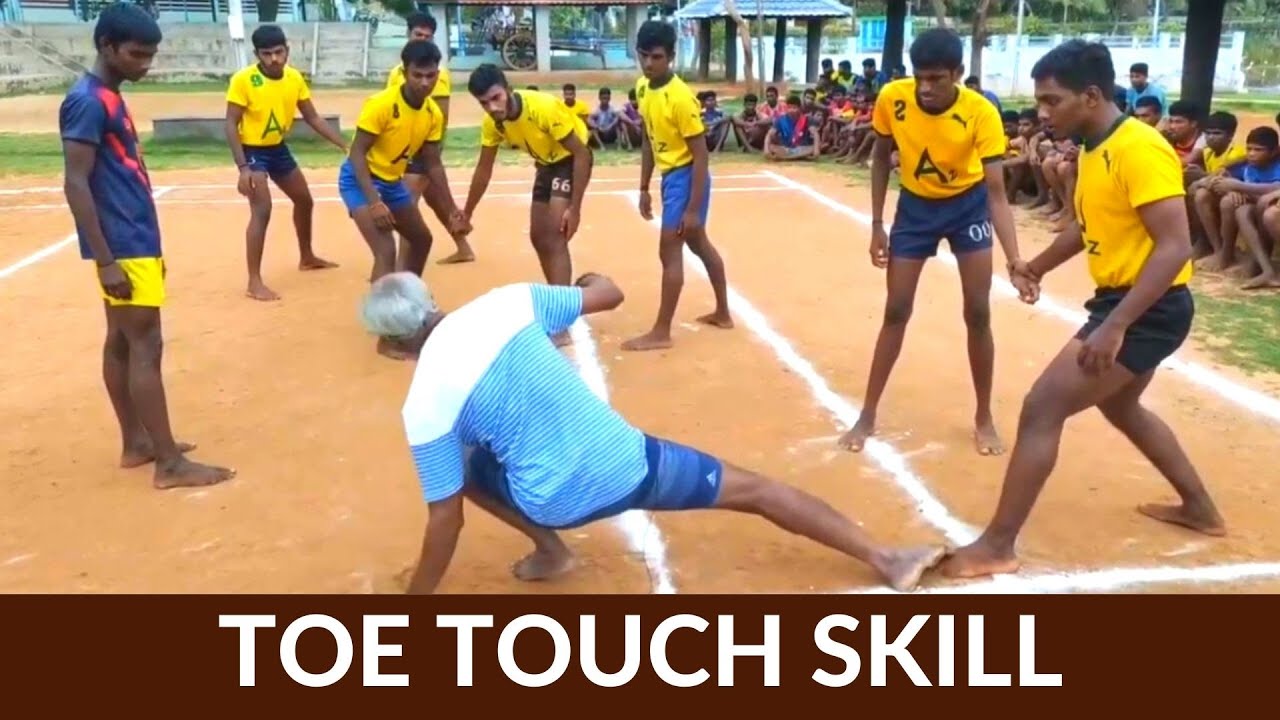
A Kabaddi match may last only a short period, but the preparation behind every successful performance takes months of disciplined training.
Elite Kabaddi players are not simply born with speed, strength, or agility. They develop these qualities through carefully planned routines that combine physical conditioning, technical practice, mental preparation, nutrition, and recovery.
Modern Kabaddi has evolved into a highly competitive sport where small advantages can decide the outcome of a match. A raider needs explosive movement and sharp decision-making. A defender needs power, timing, and endurance. Both must maintain peak performance through intense competition.
Behind every successful raid and crucial tackle is a training system designed to prepare the body and mind for pressure.
Building the Foundation: Physical Conditioning for Kabaddi
Kabaddi demands a unique combination of athletic qualities.
Players must be able to:
- Sprint explosively
- Change direction quickly
- Maintain balance during contact
- Recover between intense efforts
- Perform repeatedly throughout a match
Unlike sports focused only on endurance or strength, Kabaddi requires a complete athletic profile.
Strength Training: Developing Power and Control
Strength is essential for both raiders and defenders.
A defender needs the power to stop opponents and maintain control during tackles.
A raider needs enough strength to resist holds and escape difficult situations.
Elite players often focus on functional strength rather than simply building muscle size.
Important training areas include:
Lower Body Strength
The legs provide the foundation for Kabaddi movement.
Training commonly targets:
- Squats
- Lunges
- Explosive jumps
- Sprint exercises
- Single-leg movements
Strong legs help players accelerate quickly and maintain stability during contact.
Core Strength
A strong core improves:
- Balance
- Body control
- Resistance during tackles
- Movement efficiency
Kabaddi players constantly twist, turn, and absorb force, making core stability extremely important.
Upper Body Strength
Upper body power helps with:
- Defensive holds
- Escaping tackles
- Maintaining position
- Physical battles near the boundary
However, elite players focus on functional strength that supports movement rather than unnecessary weight gain.
Speed and Agility Training
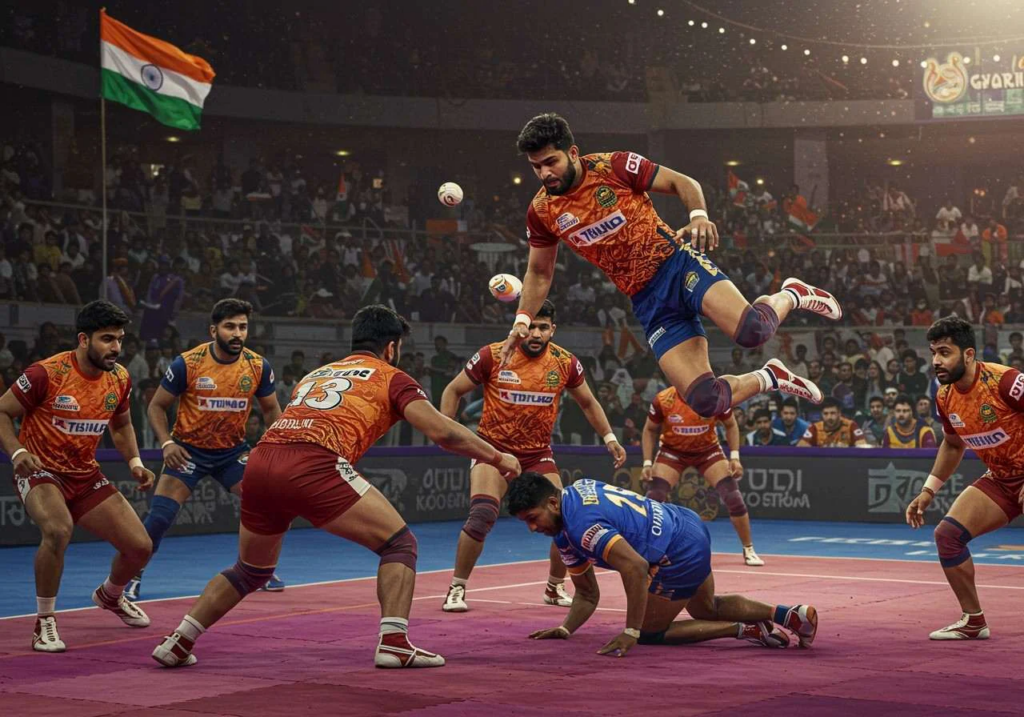
Kabaddi is built around short bursts of explosive movement.
A player may have only seconds to:
- Close distance
- Avoid defenders
- Change direction
- Escape safely
Speed training focuses on acceleration rather than long-distance running.
Common methods include:
- Short sprints
- Reaction drills
- Direction-change exercises
- Footwork patterns
Improving Reaction Time
Reaction speed is critical because Kabaddi is a game of anticipation.
Players train to respond quickly to:
- Defender movements
- Opponent attacks
- Sudden changes in direction
Reaction drills help develop the ability to make decisions under pressure.
Technical Practice: Perfecting Kabaddi Skills
Physical ability alone does not win matches.
Elite players spend countless hours refining specific techniques.
Raider Training Methods
Raiders focus on developing:
Footwork
Footwork allows raiders to control distance and create opportunities.
Training includes:
- Quick steps
- Direction changes
- Balance exercises
- Movement patterns
Hand Touch Techniques
Players practise:
- Timing
- Reach control
- Recovery movement
- Touch accuracy
The goal is not simply to reach defenders.
It is to score while maintaining a safe escape route.
Escape Skills
A successful raid often depends on what happens after contact.
Raiders practise:
- Turning away from tackles
- Maintaining balance
- Using speed effectively
- Finding escape angles
Defender Training Methods
Defenders focus on:
Tackling Technique
A successful tackle requires:
- Timing
- Positioning
- Coordination
Players repeatedly practise situations involving different types of raiders.
Team Defence
Kabaddi defence is built on communication.
Training includes:
- Defensive formations
- Coordination drills
- Supporting teammates
- Closing escape routes
A strong defensive unit moves together.
Match Simulation Training
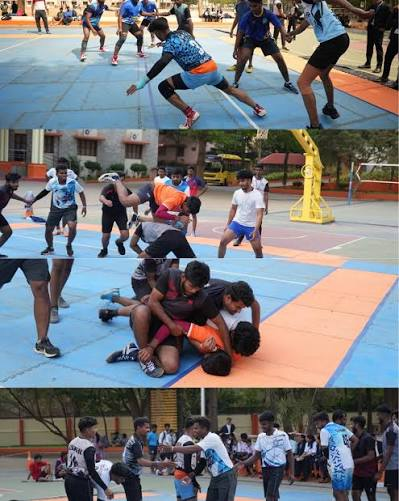
One of the most important parts of elite preparation is practising realistic match situations.
Training sessions often recreate:
- Final-minute pressure
- Do-or-die raids
- Playing with fewer players
- Protecting a lead
- Chasing a comeback
This helps players develop decision-making under realistic pressure.
A player may know the correct technique in training, but competition requires performing when tired and under stress.
Recovery: The Hidden Advantage of Champions
Training creates improvement, but recovery allows the body to adapt.
Elite players pay close attention to recovery because Kabaddi places significant demands on muscles and joints.
Rest and Sleep
Quality sleep supports:
- Muscle recovery
- Reaction speed
- Concentration
- Energy levels
Professional athletes often prioritise consistent sleep schedules.
Mobility and Flexibility Training
Flexibility helps players:
- Move efficiently
- Reduce injury risk
- Maintain body control
Common recovery practices include:
- Stretching routines
- Mobility exercises
- Controlled movement sessions
Injury Prevention
Modern teams use recovery strategies to reduce injuries.
These may include:
- Regular physical assessments
- Recovery monitoring
- Strength balancing exercises
- Proper warm-ups
Staying healthy throughout a season is a major competitive advantage.
Nutrition: Fueling a Kabaddi Athlete
Elite performance requires proper nutrition.
Players need enough energy to support intense training while maintaining speed and agility.
Protein for Recovery
Protein helps repair muscles after demanding sessions.
Sources may include:
- Lean meats
- Eggs
- Dairy products
- Plant-based proteins
- Other balanced protein sources
Carbohydrates for Energy
Kabaddi involves repeated high-intensity actions.
Carbohydrates provide fuel for:
- Training sessions
- Matches
- Recovery
Hydration
Even mild dehydration can affect:
- Reaction time
- Decision-making
- Physical performance
Players carefully manage fluid intake before, during, and after competition.
Mental Preparation: Training the Mind
Physical preparation is only one part of elite Kabaddi.
The sport requires confidence and emotional control.
Players train mentally to handle:
- Match pressure
- Mistakes
- Crowd intensity
- Important moments
Visualisation
Many athletes mentally rehearse situations before competition.
They imagine:
- Successful raids
- Defensive stops
- Handling pressure moments
This helps build confidence and preparation.
Staying Focused
A Kabaddi match can change instantly.
Players must remain focused after:
- Losing points
- Making mistakes
- Facing difficult opponents
Mental discipline helps athletes maintain performance.
The Importance of Coaching and Team Preparation
Elite Kabaddi players do not train alone.
Coaches design programmes that combine:
- Fitness development
- Technical improvement
- Tactical preparation
- Match analysis
Teams also study opponents to understand:
- Raider habits
- Defensive patterns
- Weaknesses to exploit
Preparation begins long before the match starts.
Technology in Modern Kabaddi Training
Professional teams increasingly use technology to improve performance.
Examples include:
- Video analysis
- Fitness tracking
- Performance statistics
- Match review systems
Technology helps identify areas for improvement that may not be obvious during normal training.
A player can understand:
- Which movements are effective
- Where mistakes occur
- How to improve efficiency
The Daily Routine of an Elite Kabaddi Player
A typical training day may include:
Morning Session
- Mobility work
- Conditioning exercises
- Strength training
Afternoon Session
- Technical practice
- Raid or tackle drills
- Tactical training
Evening Recovery
- Stretching
- Recovery exercises
- Match analysis
- Nutrition planning
Every part of the routine contributes to performance.
Final Thoughts: Champions Are Built Through Preparation
Elite Kabaddi players succeed because they prepare for every possible challenge.
They build strength without losing speed.
They improve technique through repetition.
They recover carefully to stay competitive.
They train their minds to remain calm under pressure.
A great Kabaddi performance may look spontaneous, but behind every successful raid and defensive stop is a carefully designed process.
The difference between a good player and an elite player is often not talent alone.
It is the commitment to preparation when nobody is watching.