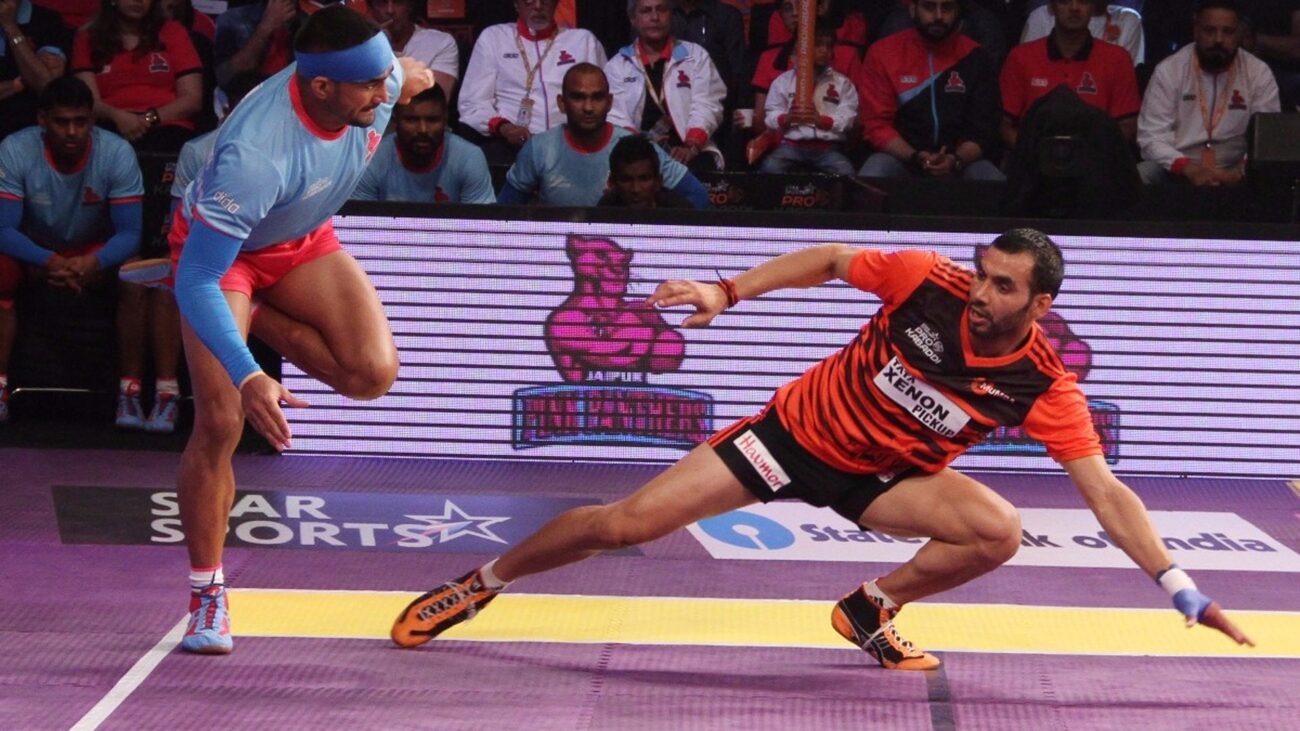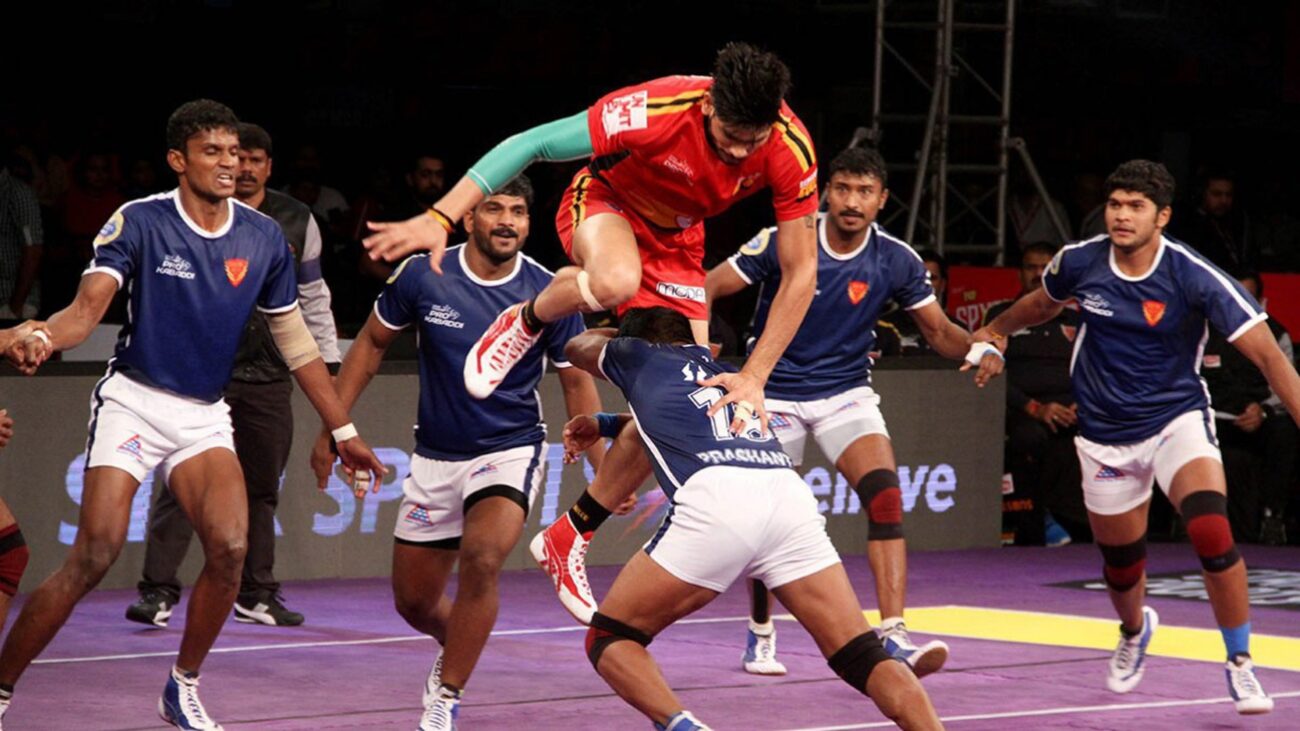
Kabaddi has always been a sport built on instinct.
A raider reads a defender’s body position in a split second. A defender predicts an opponent’s movement before making a tackle. Coaches rely on experience, observation, and tactical understanding to make decisions during intense matches.
But modern Kabaddi is entering a new era.
Today, teams are increasingly using data analytics to understand performance, improve preparation, and gain a competitive advantage. Numbers are becoming as important as natural ability.
Behind every successful raid, tackle, and strategic decision, there is now a growing amount of information being analysed.
From player statistics to scouting technology, data is changing how teams train, compete, and predict outcomes.
The Rise of Data-Driven Kabaddi
Traditional Kabaddi analysis focused mainly on visible outcomes:
- How many points a player scored
- How many tackles a team completed
- Who won the match
Modern analytics goes much deeper.
Teams now examine:
- Raid patterns
- Defender behaviour
- Player efficiency
- Match situations
- Physical performance
- Opponent weaknesses
The goal is not simply to collect numbers.
The goal is to understand why something happens.
A raider scoring ten points in a match may look impressive, but analytics asks more detailed questions:
- How many attempts were needed?
- Against which defenders?
- During which match situations?
- How often did the player succeed under pressure?
Data helps transform performances into measurable insights.
Understanding Player Statistics
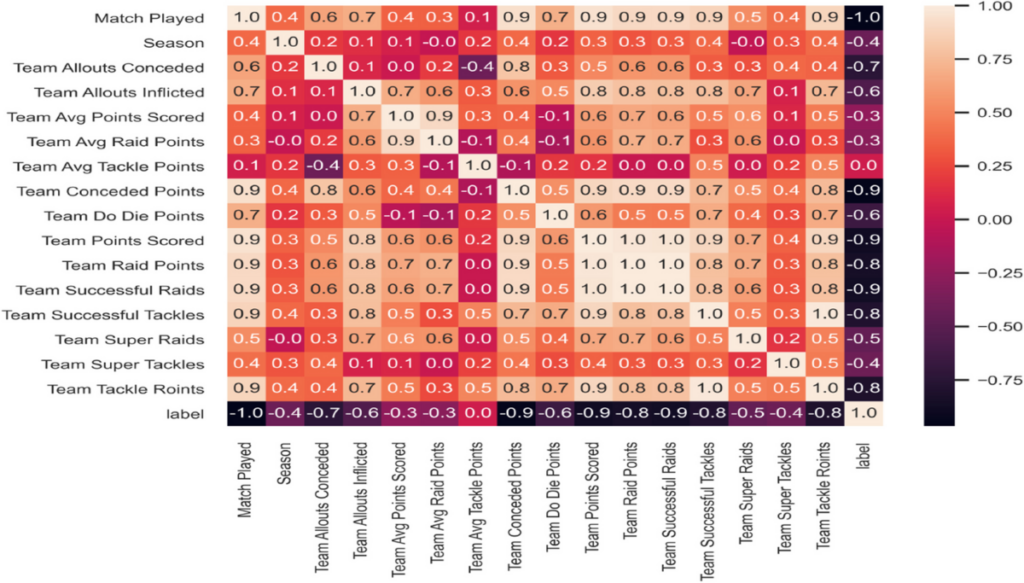
Statistics allow teams to evaluate players beyond reputation or reputation alone.
A famous raider may have a strong reputation, but data can reveal whether their performances are consistently effective.
Key Raider Statistics
Modern teams analyse several attacking metrics.
Raid Success Rate
Raid success rate measures how often a raider produces successful outcomes.
It considers factors such as:
- Successful touches
- Bonus points
- Failed raids
- Match situations
A high success rate indicates reliability.
However, teams also consider difficulty.
A raider scoring against a strong defensive unit may provide more value than one scoring against weaker opposition.
Average Points Per Raid
This statistic shows how efficiently a player converts opportunities into points.
A player with a high average points-per-raid figure may demonstrate:
- Better decision-making
- Improved timing
- Stronger attacking choices
Do-or-Die Raid Performance
Pressure situations reveal a player’s mentality.
Teams analyse how raiders perform when:
- Their team urgently needs points
- Only one raid opportunity remains
- The match is close
Some players perform better when pressure increases.
Others become less effective.
Analytics helps identify the difference.
Measuring Defensive Excellence
Defence in Kabaddi is more complicated than simply counting tackles.
A defender may make fewer tackles but still contribute significantly by controlling space and forcing mistakes.
Tackle Efficiency
Tackle efficiency measures how often defensive attempts result in successful stops.
It helps coaches evaluate:
- Timing
- Decision-making
- Reliability
A defender with high efficiency is valuable because failed tackles can provide easy points for opponents.
Defensive Combinations
Kabaddi defence depends heavily on teamwork.
Analytics can examine:
- Which defender combinations work best
- How often teams stop specific raiders
- Which formations create the most successful tackles
This helps coaches understand how individual players perform within a system.
Using Data to Improve Raider Strategy
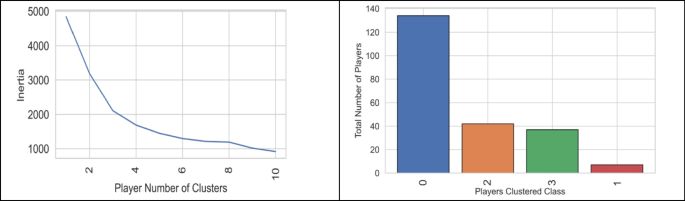
Analytics allows raiders to prepare more effectively.
Before facing an opponent, a player can study:
- Favourite tackle techniques
- Defensive positioning habits
- Common reactions
- Weak areas
For example, if data shows a defender frequently moves forward aggressively, a raider may prepare:
- Fake attacks
- Direction changes
- Quick escapes
The raider is no longer relying only on instinct.
They are entering the match with a tactical plan.
Scouting Technology and Opponent Analysis
Scouting has always existed in Kabaddi.
Coaches have traditionally studied opponents through observation.
Technology has made this process more detailed.
Video Analysis
Teams now break down matches frame by frame.
Coaches can examine:
- Raider movement patterns
- Defensive mistakes
- Successful strategies
- Repeated behaviours
A single movement can reveal valuable information.
A defender’s positioning before a tackle.
A raider’s preferred direction.
A team’s reaction after conceding points.
Performance Tracking Systems
Modern sports technology can monitor:
- Player workload
- Movement intensity
- Recovery needs
- Match demands
This information helps teams manage player fitness and reduce injury risks.
Match Prediction and Tactical Planning
Data analytics is also changing how teams prepare before matches.
By analysing previous performances, teams can identify patterns and estimate likely outcomes.
Predictive models may consider:
- Team form
- Player availability
- Previous matchups
- Scoring trends
- Defensive records
These predictions do not guarantee results.
Kabaddi remains unpredictable because human decisions and pressure situations cannot be perfectly calculated.
However, data can improve preparation.
The Role of Artificial Intelligence in Kabaddi
Artificial intelligence is becoming increasingly important in sports analysis.
AI systems can process large amounts of information and identify patterns that humans may miss.
Potential uses include:
- Predicting opponent strategies
- Analysing player movement
- Identifying tactical weaknesses
- Comparing performance trends
For example, AI could recognise that a raider succeeds more often when attacking from a particular angle or against a specific defensive formation.
This creates new opportunities for coaches.
How Data Helps Player Development
Analytics is not only useful during competitions.
It also helps players improve training.
A young raider can analyse:
- Failed attempts
- Successful techniques
- Movement efficiency
- Decision-making errors
A defender can identify:
- Missed tackles
- Poor positioning
- Timing problems
Instead of simply practising harder, players can practise smarter.
The Human Element: Why Data Cannot Replace Instinct
Despite the growth of analytics, Kabaddi remains a human sport.
Numbers can explain patterns.
They cannot fully measure:
- Courage
- Confidence
- Creativity
- Pressure handling
- Split-second intuition
A raider may attempt an unexpected move that statistics never predicted.
A defender may make an incredible tackle through pure instinct.
The best teams combine data with human understanding.
Analytics provides information.
Players provide execution.
The Future of Data in Kabaddi
As technology develops, data will become an even bigger part of the sport.
Future advancements may include:
- Real-time tactical analysis
- More advanced player tracking
- Automated scouting reports
- AI-assisted coaching decisions
Teams that use information effectively will gain advantages in preparation and performance.
However, the essence of Kabaddi will remain unchanged.
A player will still need courage to enter the opponent’s half.
A defender will still need timing and bravery to make the tackle.
Final Thoughts: The New Age of Smart Kabaddi
Kabaddi has always rewarded intelligence.
Players read opponents, predict movements, and make decisions under pressure.
Data analytics simply adds another layer to that intelligence.
Statistics reveal hidden patterns.
Technology improves preparation.
Scouting creates better strategies.
The modern Kabaddi player is not only an athlete.
They are part of a sport where physical ability, tactical thinking, and information work together.
The future of Kabaddi will belong to teams that can combine the traditional instincts of the game with the power of modern data.